ChristianaCare Family Medicine Leader Completes National Research Fellowship
James LaRosa, M.D., associate program director in the Department of Family and Community Medicine at ChristianaCare, has completed the Building Research Capacity Fellowship, a national program co-led by the Association of Departments of Family Medicine and the North American Primary Care Research Group. LaRosa was sponsored by ChristianaCare’s Department of Family and Community Medicine.
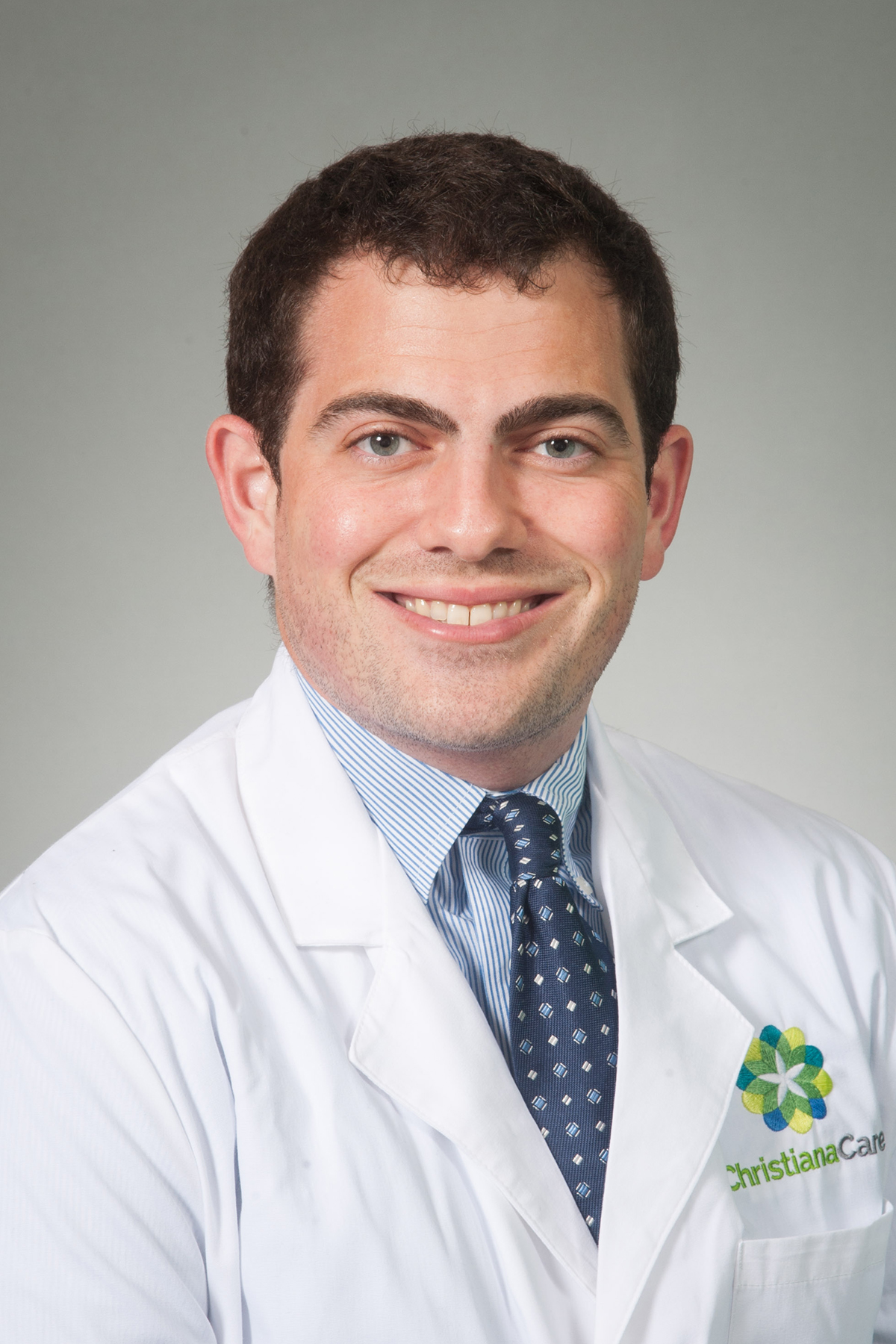
The Building Research Capacity Fellowship equips clinicians and educators with the tools, mentorship and peer network needed to strengthen research capacity within their own institutions. Over the course of the yearlong program, fellows develop and implement a strategic plan tailored to their department’s goals, with guidance from national leaders in family medicine research.
LaRosa spent the fellowship year digging into the department’s research structure and building a strategic plan to move more scholarly activity forward. That work opened new partnerships inside and outside the health system, boosted engagement in scholarship across the department and helped align research efforts with broader institutional priorities.
“The fellowship gave me a framework for developing and promoting research and scholarship, and specifically the tools to affect change in a large institution,” he said. “It provided a playbook for communication and structure that helped translate ideas and goals into an organized plan. One of the most significant parts was connecting with like-minded fellows from institutions across the country, including some very local, which created a real pathway for continued mentorship and collaboration.”
Erin Kavanaugh, M.D., FAAFP, chair of Family and Community Medicine at ChristianaCare, said fellowship training plays a vital role in advancing primary care.
“Strong research capacity ensures that family medicine continues to evolve based on evidence and community need,” she said. “Dr. LaRosa’s work strengthens our ability to support faculty and residents in meaningful scholarship while advancing high-quality care for the patients we serve.”