Scott Siegel Honored With Delaware Breast Cancer Coalition’s Shining Light Award
Coalition cites research that pinpointed Delaware's breast cancer hotspots and the community work now underway to cool them.
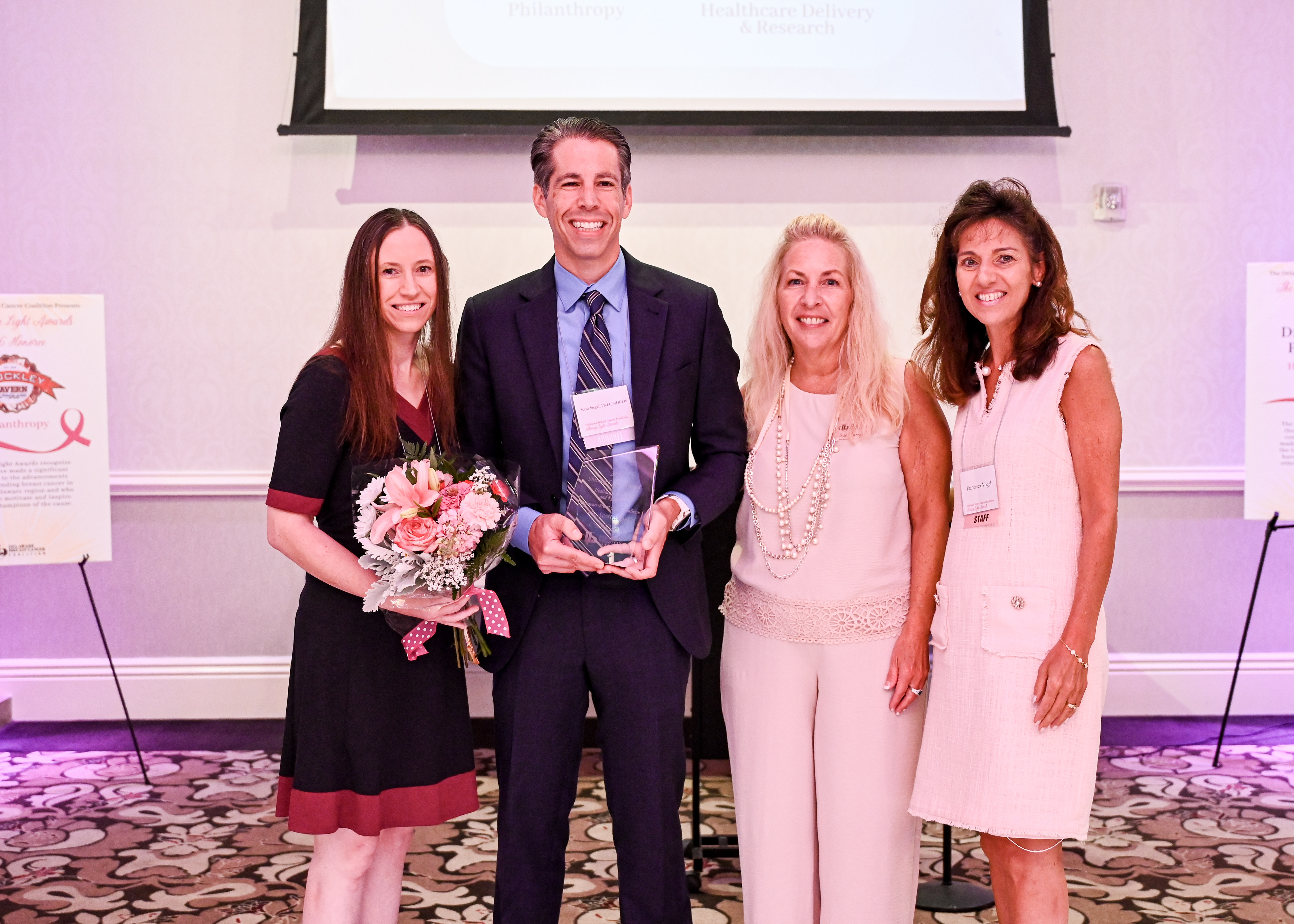
Scott Siegel, PhD, MHCDS, director of Cancer Control & Population Sciences at ChristianaCare’s Helen F. Graham Cancer Center & Research Institute, has received the Delaware Breast Cancer Coalition’s 2026 Shining Light Award for Healthcare Delivery & Research.
The coalition presented the award Aug. 5. It recognizes individuals whose dedication, innovation and advocacy have advanced the fight against breast cancer in Delaware.
“Scott Siegel’s drive to turn strategy into community action bridges the gap between complex science and grassroots outreach,” said Francesca Vogel, chief executive officer of the Delaware Breast Cancer Coalition. “His unwavering commitment to the prevention and early detection of breast cancer in Delaware embodies the spirit of the Shining Light Awards.”
The Graham Cancer Center brings scientists and clinicians together to investigate innovative ways to diagnose cancer earlier and treat it more effectively. Learn more about our research programs.
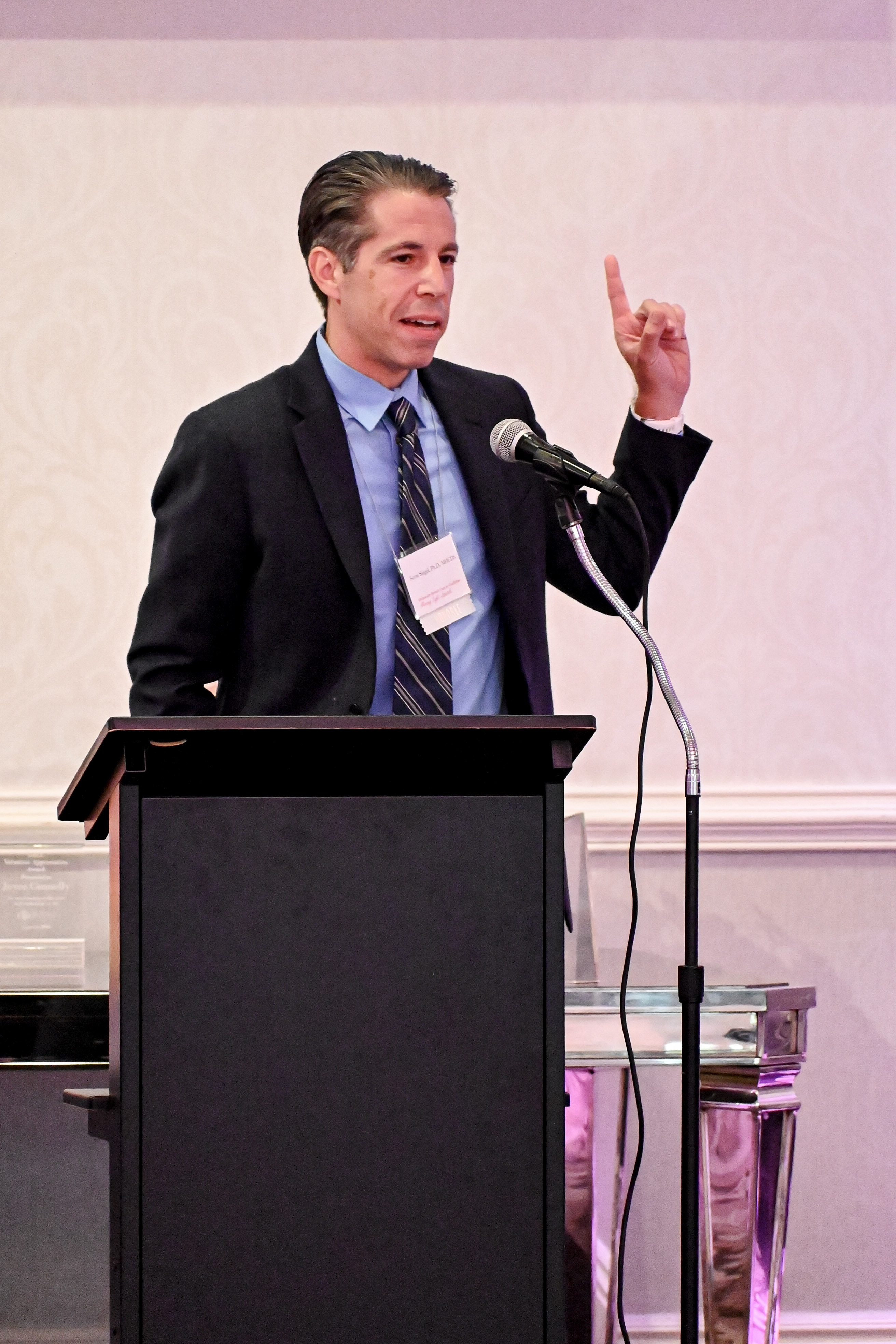
Siegel, a clinical health psychologist and population health scientist, has focused much of his research on racial disparities in breast cancer. Black women in Delaware die of the disease at significantly higher rates than white women despite being diagnosed at similar rates.
Siegel was lead author of “Reducing Racial Disparities in Breast Cancer: Getting the Village Back Together,” a 2023 call to action in Population Health Management. It urges community members, health care providers and other stakeholders to work together on prevention and early detection, modeled on a collaboration that narrowed colorectal cancer disparities in Delaware a decade earlier.
His 2025 research, published in JNCI Cancer Spectrum, put that approach on a map. Reviewing nearly 3,500 patient records, Siegel and his co-authors found that inconsistent screening and more aggressive tumor types largely explained a hotspot for advanced breast cancer in Wilmington. Those same factors accounted for only about half the excess cases in a second hotspot, in Middletown.
Donate to cancer research and innovation at ChristianaCare.
ChristianaCare has since embedded a community health worker in the Wilmington hotspot to conduct breast cancer risk assessments, connect women to care and address barriers such as transportation and scheduling.
“Wilmington is our first test case, but the long-term goal is to use this approach to turn breast cancer hotspots in Delaware stone cold,” Siegel said.
Siegel also co-leads research with Jennifer Sims Mourtada, PhD, director of Translational Breast Cancer Research at ChristianaCare, to identify epigenetic risk biomarkers for triple-negative breast cancer. The National Institutes of Health-funded work targets an aggressive subtype that disproportionately affects younger Black women and that Delaware sees at the highest rate in the nation. Identifying those biomarkers could help clinicians flag high-risk patients for earlier screening and prevention programs.