ChristianaCare Enrolls First Patients in Two National Cancer Trials Using Adaptive Radiation Therapy
New real‑time technology brings more precise care to patients with pancreatic and bladder cancers
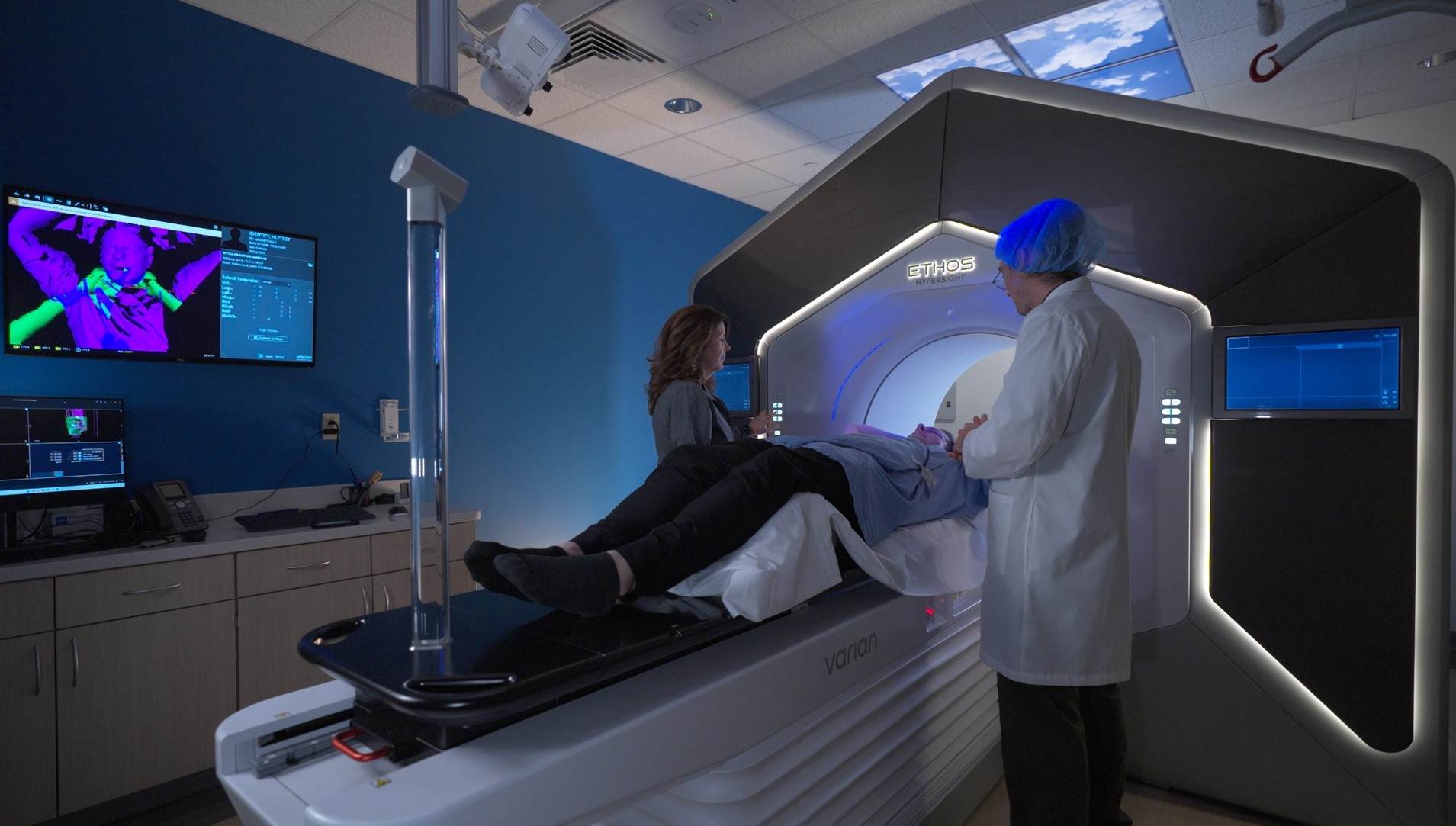
ChristianaCare’s Helen F. Graham Cancer Center & Research Institute has reached an important milestone by enrolling its first patients in two national research clinical trials for pancreatic and bladder cancers.
These studies use adaptive radiation therapy, a next‑generation technology that fine‑tunes radiation each day based on how a tumor or nearby organs shift. By being among the first centers in the country to open both trials, ChristianaCare is pushing cancer care into a new era of precision.

“These first enrollments reflect more than scientific progress.,” said Thomas Schwaab, M.D., Ph.D., Bank of America Endowed Medical Director of ChristianaCare’s Helen F. Graham Cancer Center & Research Institute.
“They show ChristianaCare’s commitment to giving patients and surrounding communities access to the most advanced cancer treatments available today. By leading early on both studies, the Graham Cancer Center continues to bring innovation, precision and hope directly to the patients we serve.”
These studies are led by NRG Oncology, a National Cancer Institute–funded research group that unites hospitals, scientists and clinical experts nationwide to test and advance the most promising cancer treatments.
A Smarter Way to Deliver Radiation
Adaptive radiation therapy is a new approach that adjusts radiation treatment in real time. Instead of relying on one fixed plan made at the beginning of treatment, this therapy uses daily imaging and artificial intelligence to track how the tumor and nearby organs move or change shape. The physician and team then update the plan prior to each session, allowing for safer, more precise care.
“Adaptive radiation isn’t just a new tool—it’s a turning point.”— Adam Raben, M.D.
This flexibility helps protect healthy tissue, reduces side effects and improves accuracy during every visit.
“Adaptive radiation isn’t just a new tool — it’s a turning point,” said Adam Raben, M.D., chair of Radiation Oncology. “For the first time, we can adjust treatment to a patient’s changing anatomy in real time. That means more accuracy, more safety and, most importantly, more hope for patients facing some of the toughest cancers.”
About the Pancreatic Cancer Trial
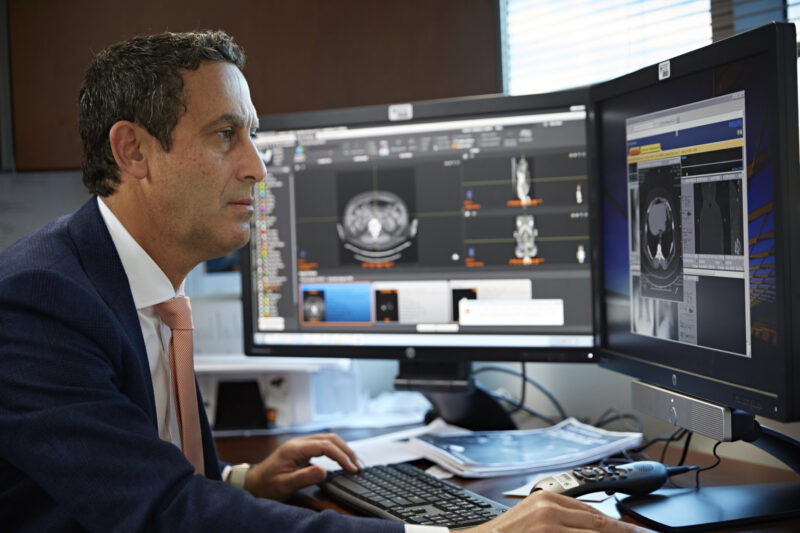
ChristianaCare has enrolled its first patient in a national study exploring whether delivering higher‑precision, adaptive radiation can improve outcomes for those with advanced pancreatic tumors, which are often difficult to treat with surgery or traditional radiation.
Click here to get involved in cancer clinical trials at ChristianaCare.
“The organs around pancreatic tumors can move a lot day to day, which can make treatment a challenge.,” said Timothy Kegelman, M.D., Ph.D., radiation oncologist at the Graham Cancer Center. “With adaptive radiation, we can see those changes and adjust instantly. That gives us a better chance to treat the tumor aggressively while keeping nearby organs safer.”
He added, “This trial matters because pancreatic cancer is tough. Anything that helps us deliver stronger treatment with more accuracy could make a real difference for patients and their families.”

About the Bladder Cancer Trial
The Graham Cancer Center also enrolled its first patient with bladder cancer in a national study testing whether a shorter, highly focused radiation schedule can work as well as longer treatment plans. Many patients with bladder cancer face weeks of daily sessions, often creating stress and logistical challenges. This study aims to reduce the time spent in treatment while keeping care effective.
“Because the bladder naturally changes shape and position, adaptive therapy is ideal,” said Kegelman. “It allows us to adjust the treatment to match those daily changes, keeping the radiation precisely on target.
Research Powerhouse Advances Cancer Care
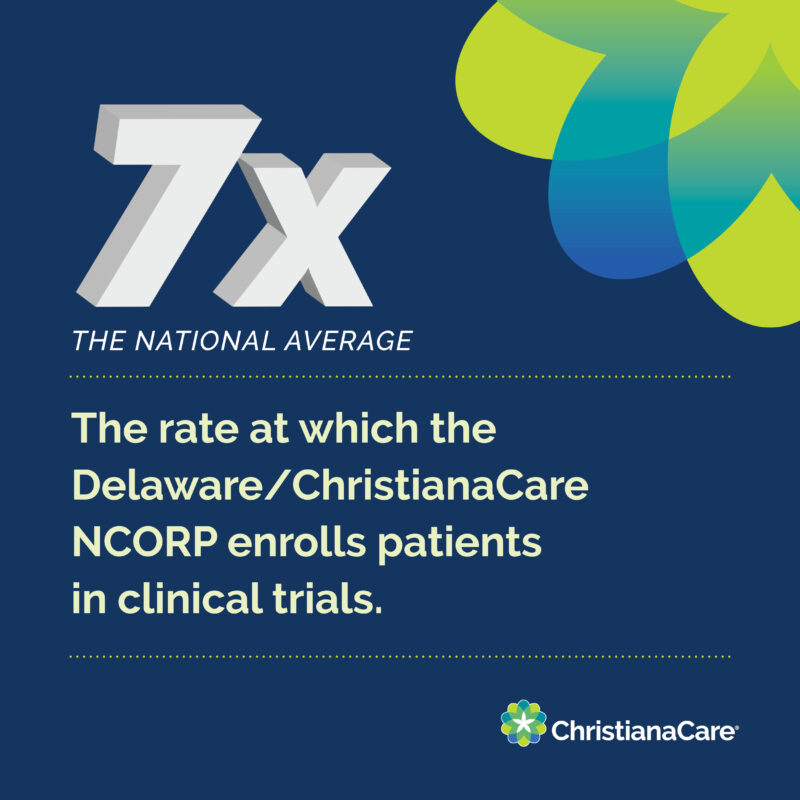 Nearly one in three patients at the Graham Cancer Center takes part in clinical trials — a participation rate seven times the national average. This level of engagement has turned the center into a proven engine for progress, where new therapies move from research to patient care faster and more effectively than in most places. That strength reflects both the dedication of ChristianaCare’s clinical teams and the trust patients place in them.
Robust participation isn’t just a statistic. It fuels discovery. Every patient who joins a trial helps sharpen the understanding of cancer and accelerates the arrival of treatments that can change lives. It’s one of the clearest ways ChristianaCare delivers on its mission to bring the best, most advanced care close to home.
“Clinical trials are where innovation becomes reality,” said Schwaab. “When our patients step forward to participate, they are not only fighting their own disease — they are helping to shape the future of cancer care for everyone. That courage moves our field forward, and we are honored to stand with them and be among the national leaders.”
To contribute to innovation in cancer research and treatment at ChristianaCare, click here.