Way Awards Highlight ChristianaCare’s Culture of Love, Excellence and Care Improvement
Spotlight on being exceptional today and even better tomorrow
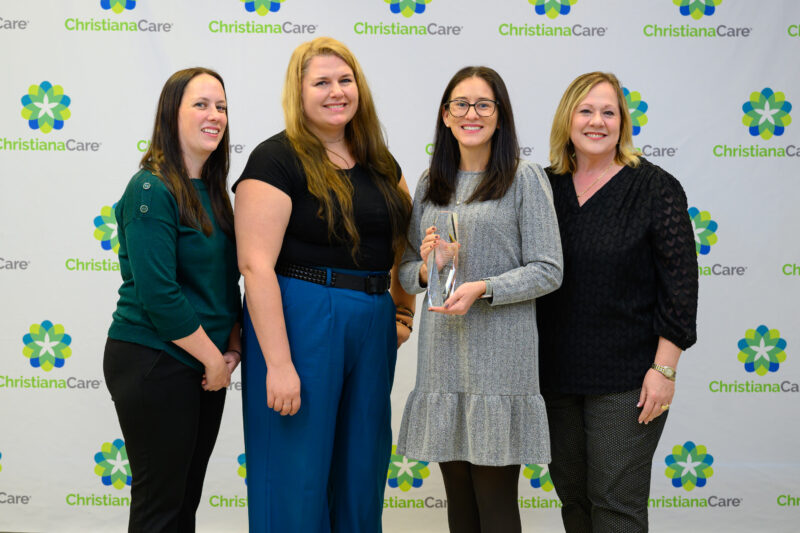
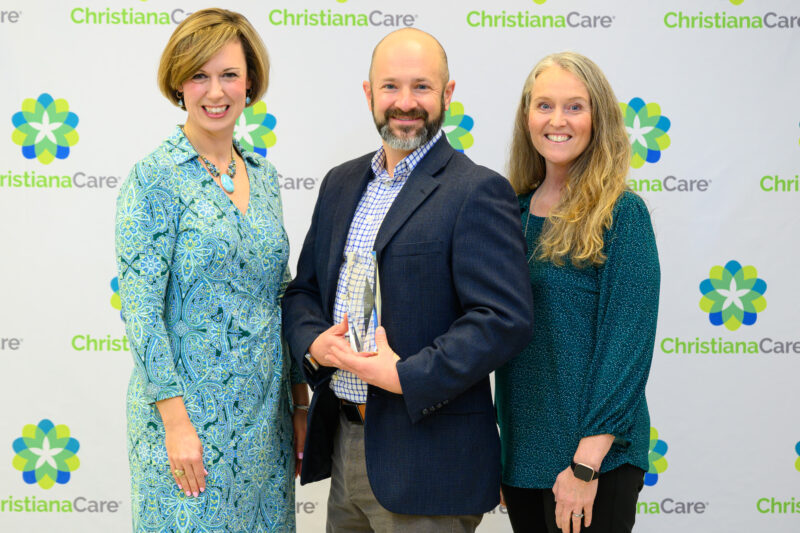
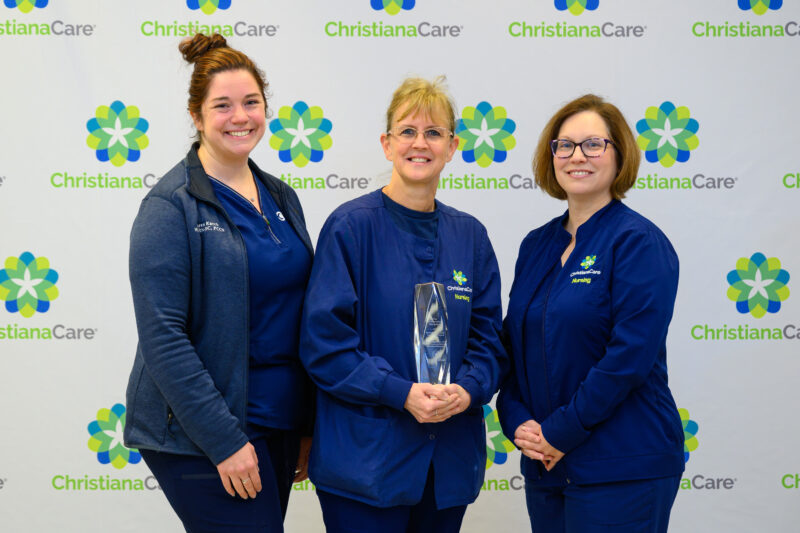
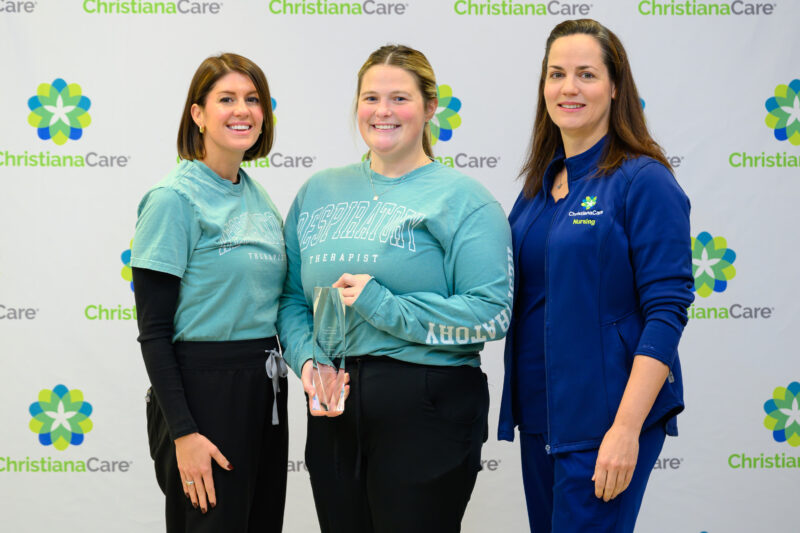
Caregivers gathered on Nov. 20 at the Ammon Education Center on ChristianaCare’s Newark campus to celebrate the 2025 ChristianaCare Way Awards, an annual program that highlights the work of team members who are living ChristianaCare’s values of love and excellence by improving the quality, safety and experience of care.
“The ChristianaCare Way Awards shine a spotlight on something simple, yet incredibly powerful and profound: our commitment to being exceptional today, and even better tomorrow,” said Janice Nevin, M.D., MPH, president and CEO. “These projects are about learning and growing — about stretching, reaching, and finding new and better ways to deliver outstanding care.”

ChristianaCare is nationally recognized for high-quality, safe care and encourages a culture of continuous improvement. The ChristianaCare Way Awards program annually challenges physicians, nurses and other caregivers to identify opportunities for improvement, collaborate on solutions using the Plan-Do-Check-Act or Lean Six Sigma DMAIC models and submit storyboards to show their success. This year, volunteer judges across the health system selected 33 winning projects out of more than 100 submissions.



Quint Studer, a nationally recognized health care leader, bestselling author and entrepreneur, delivered a keynote address on the importance of stay connected to the deeper meaning behind the work.
Drawing from decades of experience helping health systems improve quality and culture, Studer extolled the benefits of methodical gratitude and positivity. He encouraged the audience to “capture the wins,” reframe daily challenges as privileges, and check in on one another with simple, compassionate questions like, “Where percentage is your battery at?”
“The one thing I hope you walk away with is this: Stop saying ‘have to’ or ‘got to’—start saying ‘get to,’” Studer said. “It rewires your brain. It changes everything.”

At ChristianaCare, that spirit is reflected in the day-to-day work of harm prevention — from reducing infections to preventing falls — where each small improvement contributes to safer, more compassionate care. Last year, the number of patients experiencing preventable harm decreased by 3%, and the harm rate fell by 5%.
Varadarajan Subbiah, M.D., MBA, FACP, CHCQM, chief clinical effectiveness officer, announced the winners.



Award Highlights
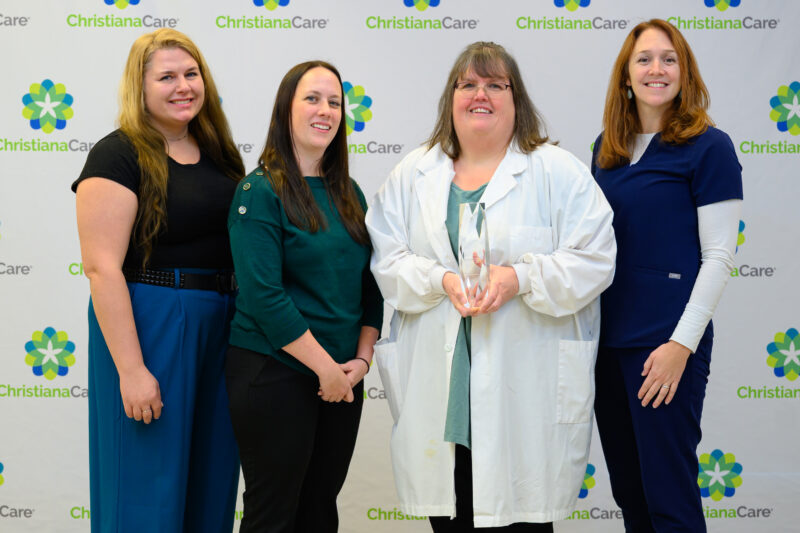
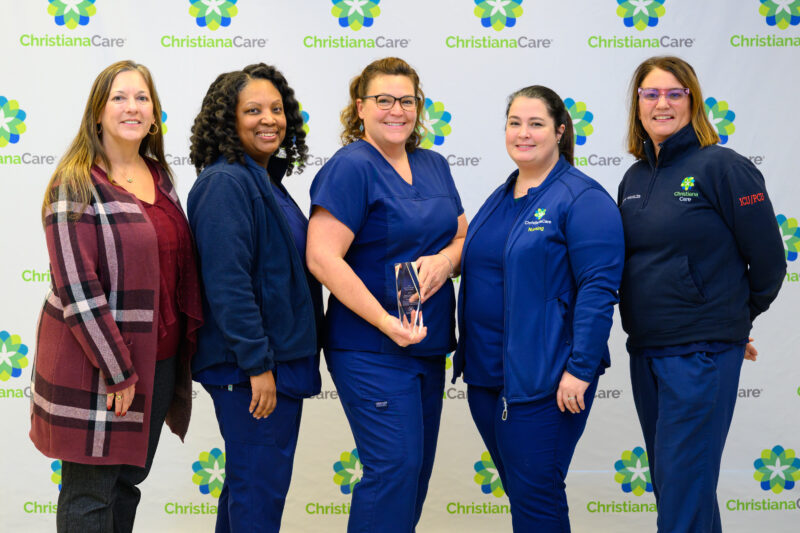
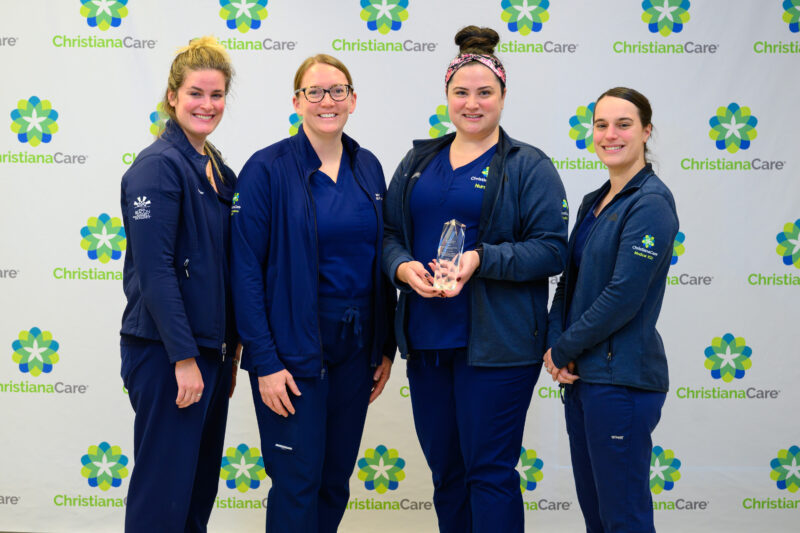
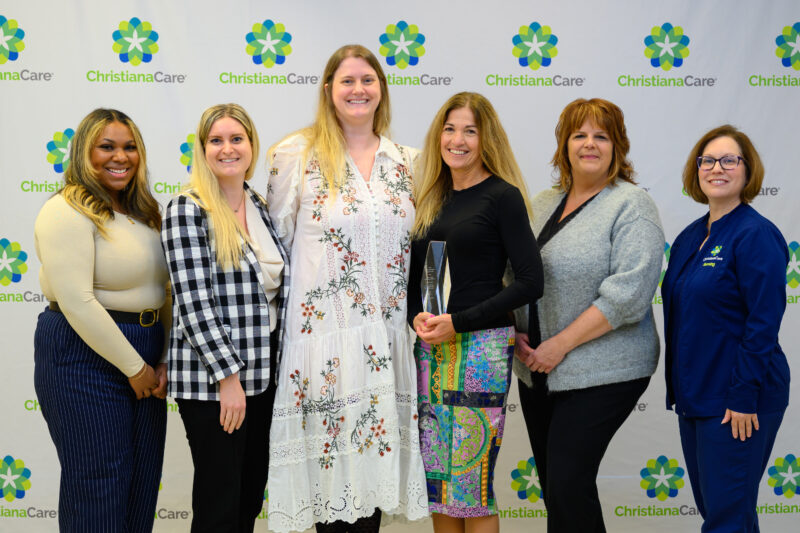
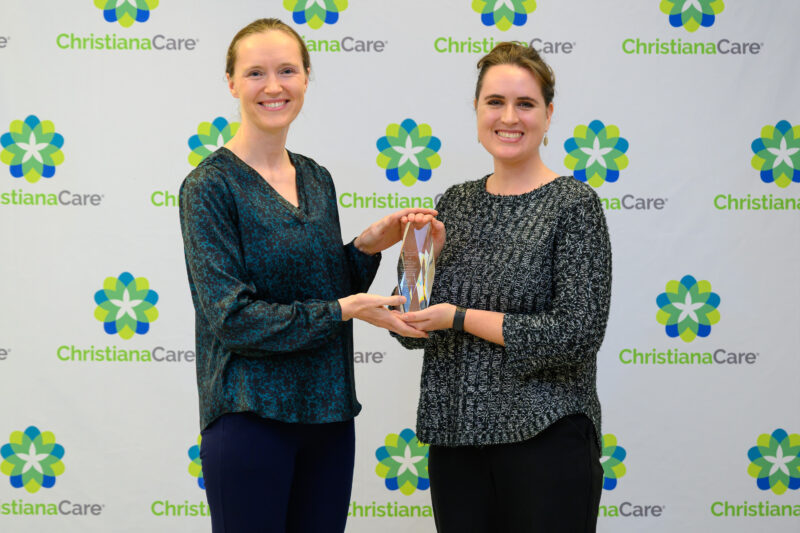
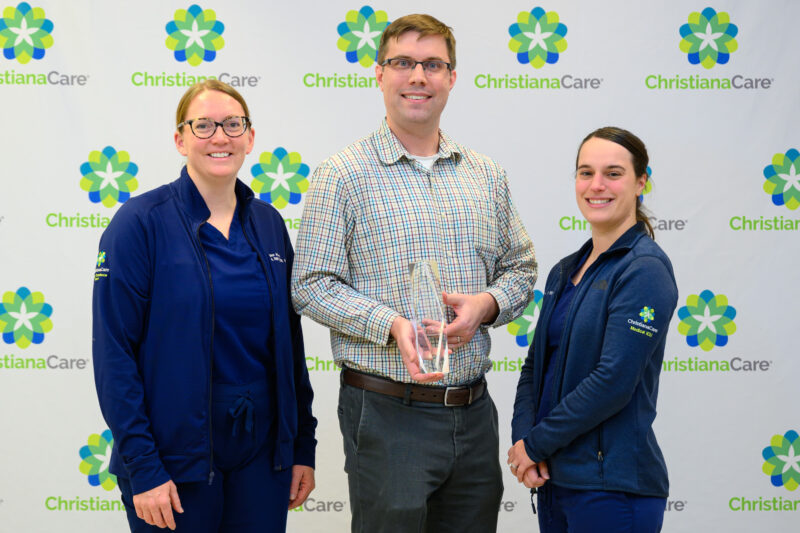
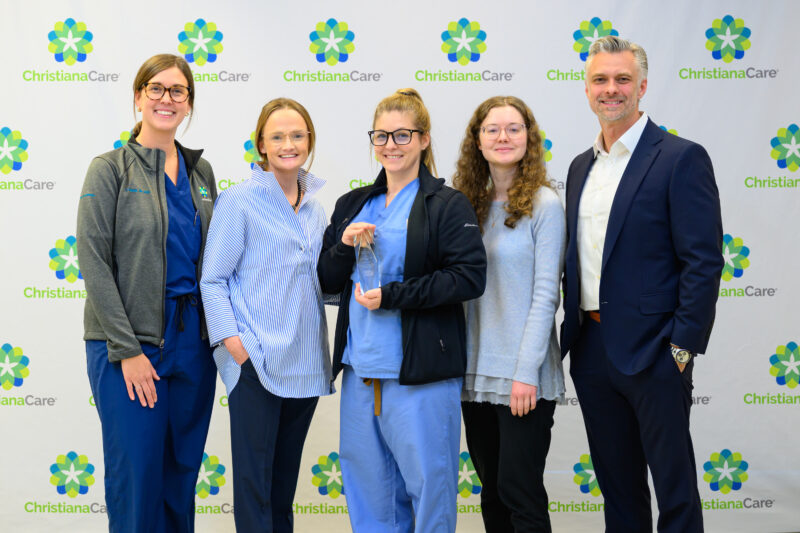
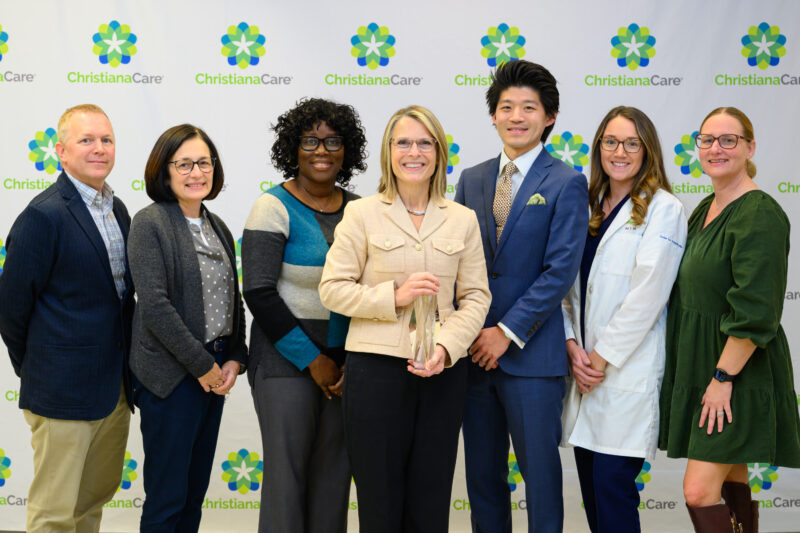
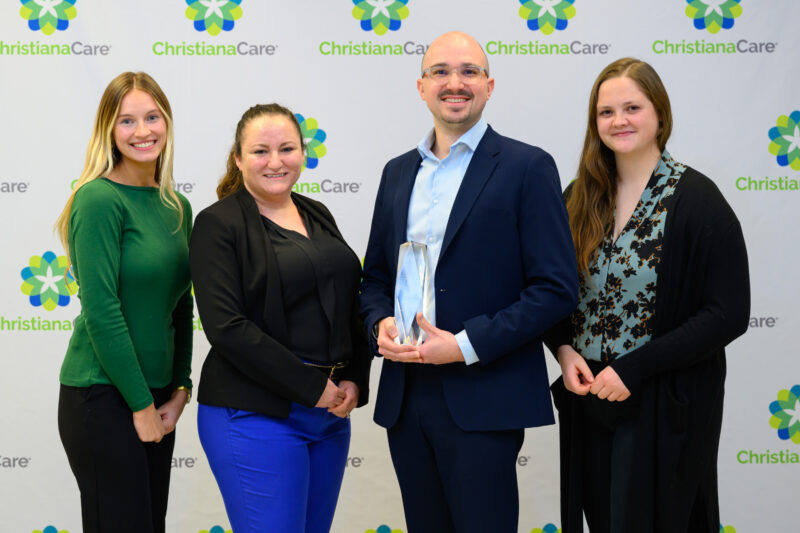
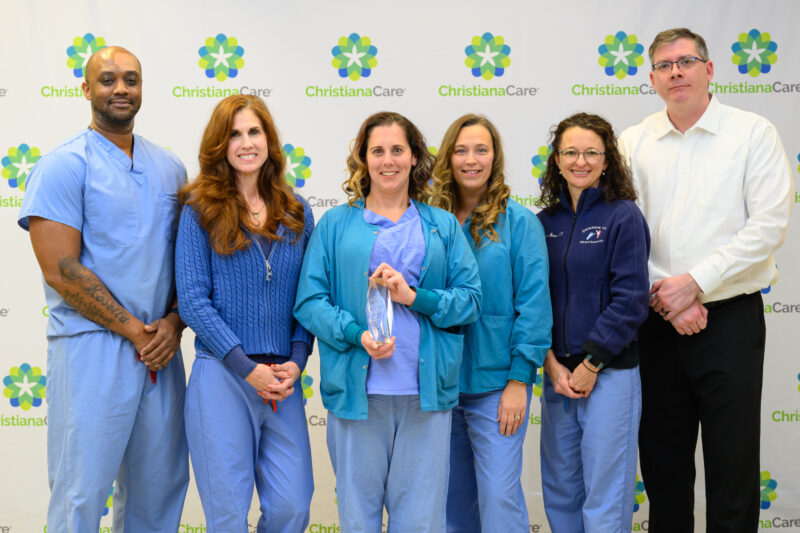
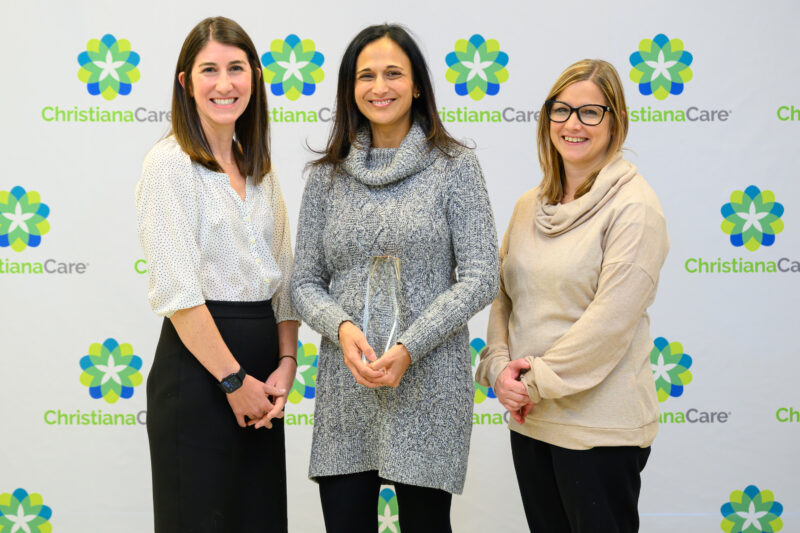
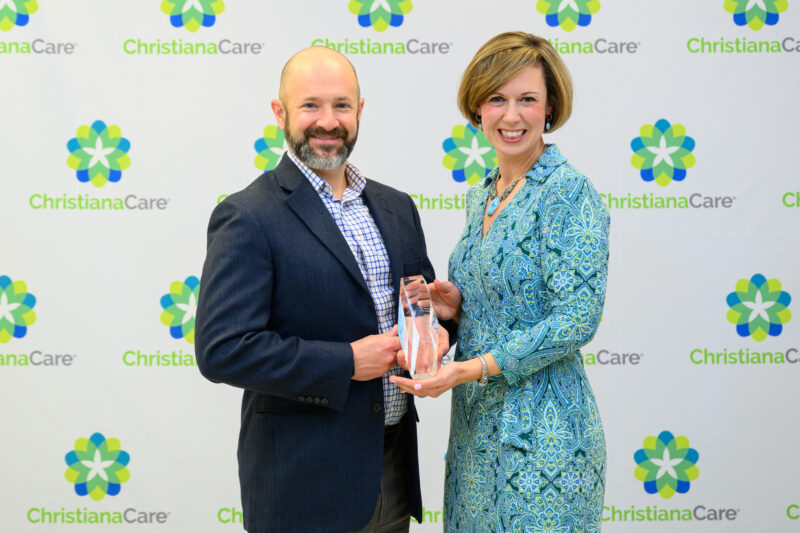
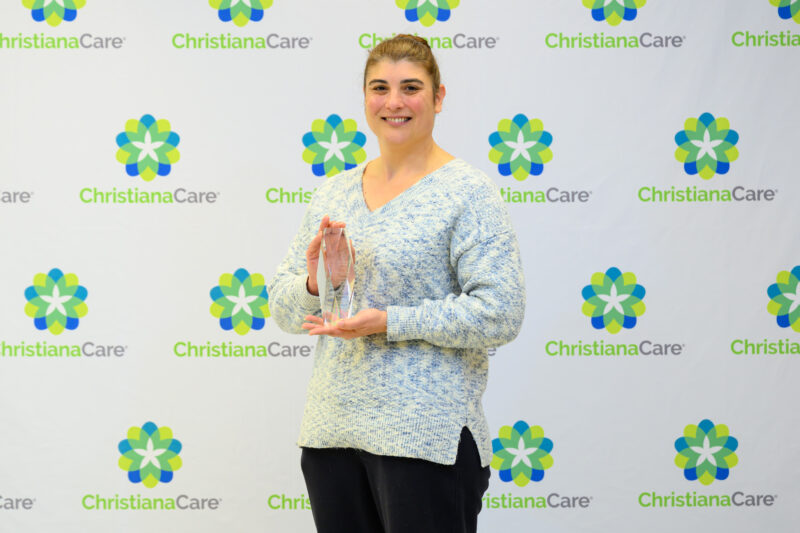
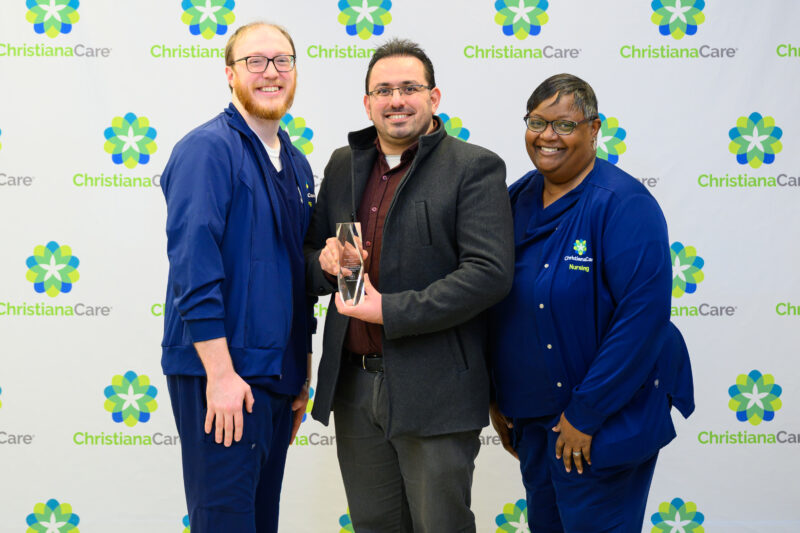
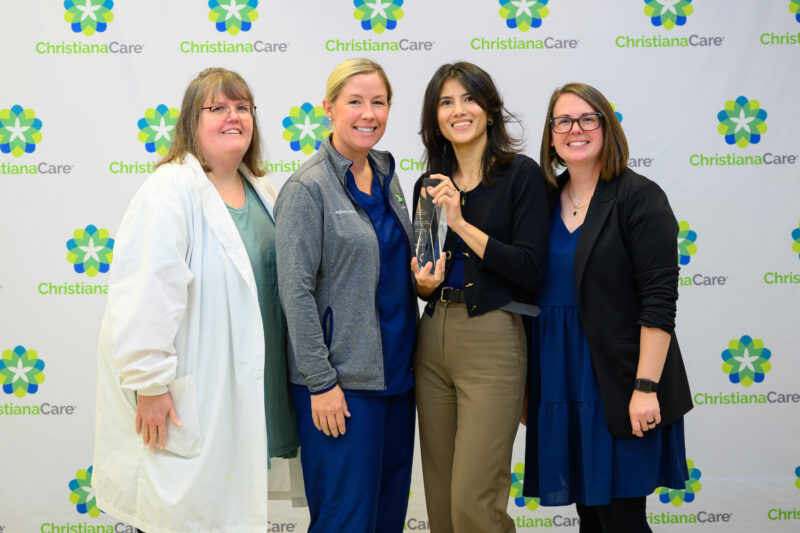
Here are a few highlights of the winning projects, along with a gallery of all the winning teams:
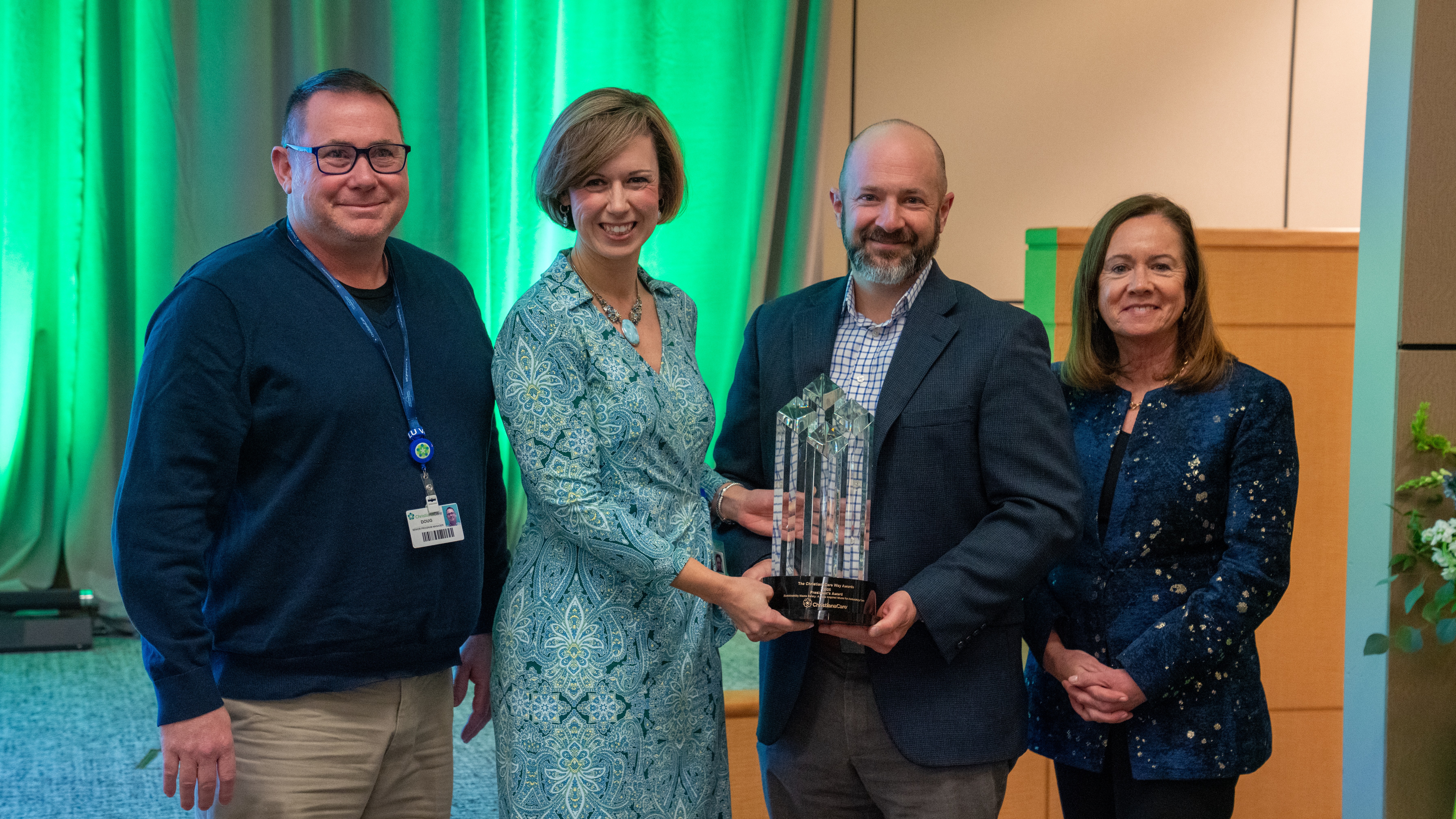
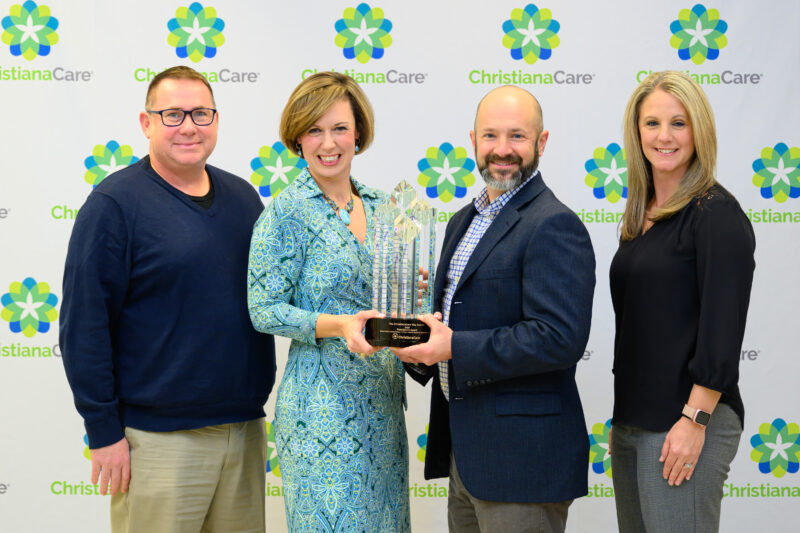
President’s Award: “Sustainability Meets Safety: A Data Inspired Model for Ambulatory Care”
This project strengthened patient safety across ChristianaCare’s outpatient practices by creating a more consistent and supportive safety culture. After seeking ideas from caregivers across departments, the team launched new tools, training and recognition programs that made it easier to report and learn from safety concerns. The results were powerful: safety reports increased by 65%, “Good Catch” reports rose by 23%, and a new quick-reporting tool saved 189 caregiver hours. The effort improved how teams respond to issues like falls and mental health needs and helped build a stronger sense of trust and teamwork across the system.

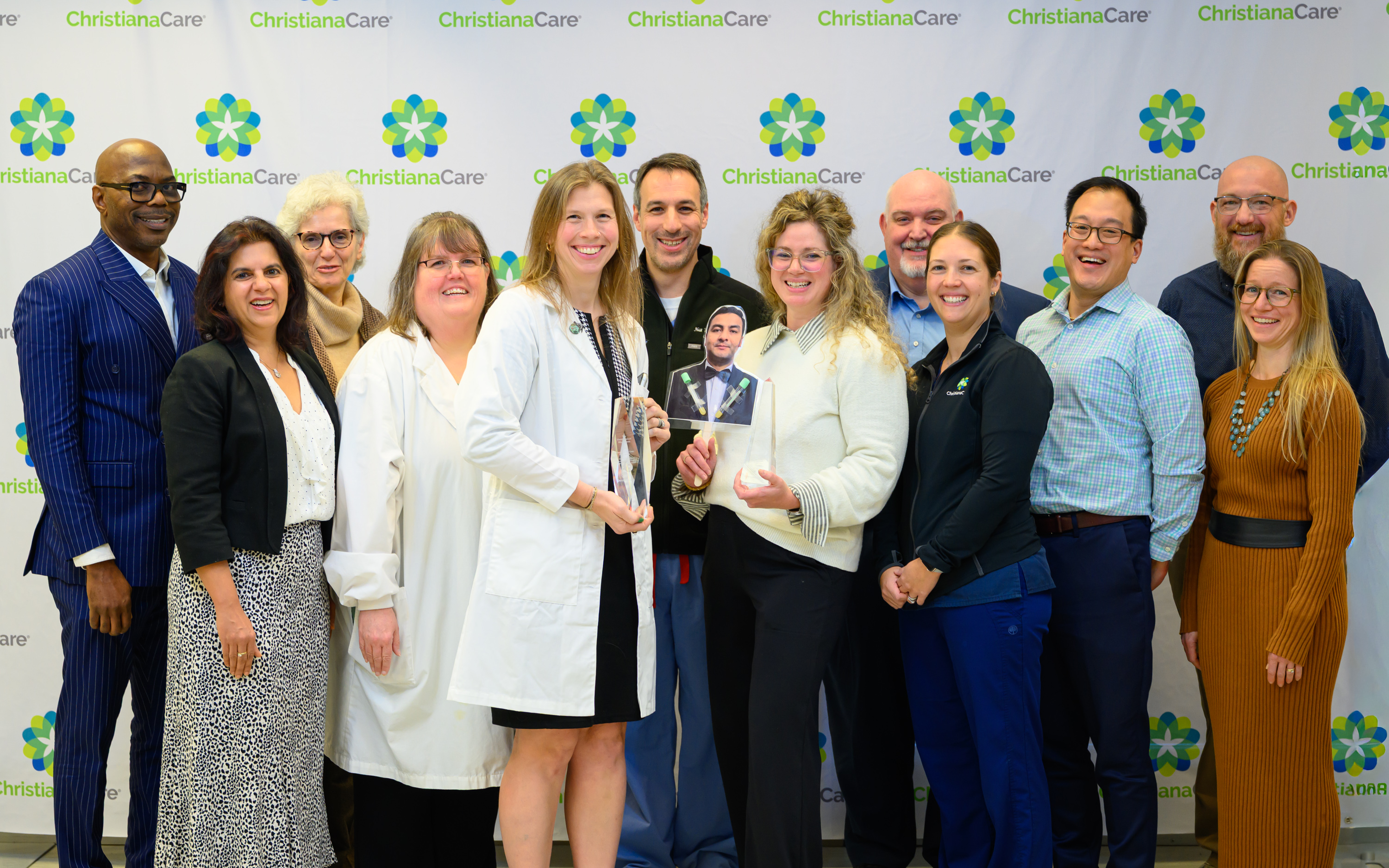
People’s Choice and Strengthen the Core: Flow Awards: “High-sensitivity Troponin: A Paradigm Shift in the Diagnosis and Management of ACS”
This project focused on the diagnosis and management of possible heart attacks in the Emergency Department (ED). A team of clinical, lab and IT experts collaborated to implement a more sensitive blood test that detects heart damage faster and more accurately. Since introducing the test systemwide in December 2023, diagnoses of a specific type of heart attack (NSTEMI) rose by 18%, and more patients were safely discharged directly from the ED, helping avoid unnecessary hospital admissions.
Transformation Award: “Risk Avert: Violence Alert!”
This project helped create a safer environment for both caregivers and patients by improving how ChristianaCare identifies and responds to potential workplace violence. Using data and frontline input, the team developed a real-time alert system in the electronic medical record that flags patients with a history of aggressive behavior. Since launching the tool, alerts were activated more than 1,000 times, giving staff crucial information to plan safer interactions and apply de-escalation techniques.

Learn more about our efforts in our 2025 Quality & Safety Report.












Related Stories
-
 Delaware’s First Cohort of Doctoral Nurse Anesthesiology Students Begins Training at ChristianaCare
View story
Delaware’s First Cohort of Doctoral Nurse Anesthesiology Students Begins Training at ChristianaCare
View story
-
 ChristianaCare Family Medicine Leader Completes National Research Fellowship
View story
ChristianaCare Family Medicine Leader Completes National Research Fellowship
View story
-
 ChristianaCare Enrolls First Patients in Two National Cancer Trials Using Adaptive Radiation Therapy
View story
ChristianaCare Enrolls First Patients in Two National Cancer Trials Using Adaptive Radiation Therapy
View story