Terrible Headaches? Virtual Care Can Help
Chronic headaches and migraines can disrupt daily life, but Virtual Care makes expert treatment more accessible.
Most of us get the occasional headache, whether from not enough sleep, too much screen time, or many other reasons. For some people, chronic headaches can cause disabling symptoms, making it hard to complete daily tasks or even to get out of bed.
The two most common types of headaches are tension-type headaches and migraine attacks. Tension-type headaches, like the occasional ones described above, affect roughly 70% of the population, while migraine attacks affect about 25% of women and 7-10% of men.
A headache is considered chronic if you have more than 15 headache days each month. Understanding your headache symptoms is an important part of getting the right care—and you might be able to receive that care without ever leaving your home.
Understanding Migraines
A migraine is more than just a bad headache. Providers diagnose migraines based on your medical history and specific symptoms. These may include sensitivity to light, nausea, or throbbing pain on one side of the head.
Migraine attacks can also happen in different phases. These phases are called prodrome, aura, pain, and postdrome. Not everyone experiences every phase, and symptoms can vary from one person to another.
- The prodrome phase can begin up to 48 hours before headache pain starts. During this time, you might experience changes such as neck pain or food cravings. These symptoms can serve as early signs that a migraine attack is coming.
- About 30% of people with migraines also experience an aura, which involves temporary neurological symptoms that usually last from 15 to 60 minutes. Aura symptoms can be positive or negative: positive symptoms are those that you experience that are not normally there, such as seeing zigzags or smelling scents that aren’t actually present. Negative symptoms involve losing something from your normal vision, such as part of the visual field.
- Pain with migraines can be agonizing, even debilitating. And once that pain has subsided, the foggy, exhausted feeling that it leaves behind is known as the postdrome phase.
Although many migraine symptoms can be frightening, certain symptoms require immediate medical attention. If you have numbness or weakness on one side of your body, it should be treated as an emergency at a hospital to rule out a stroke.
How Virtual Care Can Help
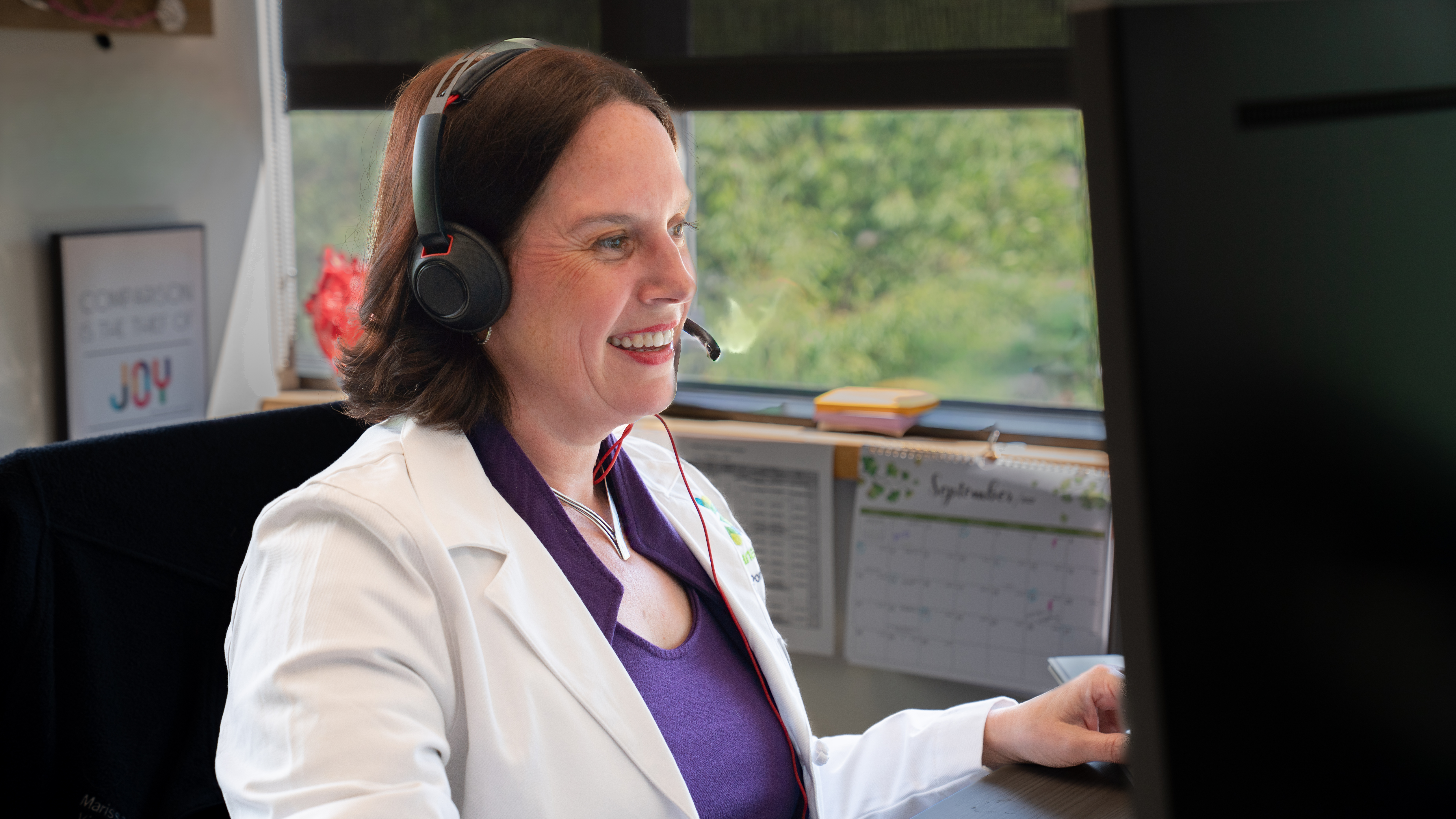
If you experience severe headaches, getting to an in-person appointment might be difficult. During a migraine attack, driving may be unsafe because of pain or visual disturbances. Virtual Care can give you another way to receive care without needing to leave your home.
Your loved ones also have a better ability to take part in your care. Family members or other caregivers who live in different locations can join a virtual consultation and provide additional support.
At ChristianaCare, initial visits are longer and focus on helping you understand your personal experience. This includes learning about possible triggers and different phases of a migraine attack. Knowing your own patterns can help you to have more informed conversations about your treatment and take care of yourself before, during, and after a migraine.
Treatment for headaches has also changed over time. Modern innovation has brought many new options beyond medication alone, including FDA-approved “smart” wearables and complementary therapies including acupuncture and physical therapy. If you haven’t revisited your migraine treatment plan in a long time, asking about these options may improve your care.
Accessing Specialized Headache Care
If you live with frequent or debilitating headaches, understanding the type of headache, recognizing migraine phases, and knowing when to seek emergency care are important parts of managing your condition. Virtual Care adds a vital option for accessing specialized care, especially when pain or auras make traveling difficult.
With virtual care, you can receive headache support from a convenient location, involve loved ones in your appointments, and spend more time learning about your symptoms and triggers. At ChristianaCare, if you need specialized headache care, visit our Virtual Headache Clinic.