Three Major Studies May Shift Care for A-Fib, Heart Attack and Pulmonary Embolism
Research unveiled at ACC highlight ChristianaCare’s role heart and vascular innovation

Results from three major international cardiovascular studies released at the American College of Cardiology Scientific Session held March 28 to 30 this year point to important shifts in how doctors may treat atrial fibrillation, heart attacks and pulmonary embolism. Physicians and researchers from ChristianaCare’s Center for Heart & Vascular Health participated in all three trials, contributing to evidence that could influence future clinical guidelines and patient care worldwide.
Click here to make an appointment at ChristianaCare’s Center for Heart & Vascular Health.
The studies — CHAMPION‑AF, STEMI‑DTU and HI‑PEITHO — tackled some of the most debated questions in cardiovascular medicine: when to move beyond medications, when advanced devices add value, and how to intervene earlier to prevent patients from worsening.
Rethinking Stroke Prevention in Atrial Fibrillation

The CHAMPION‑AF trial studied whether the Watchman FLX device, which seals off a small pocket in the heart where clots often form, could be used as a first‑line option for patients with atrial fibrillation who are otherwise eligible for blood thinners. Until now, the device has largely been reserved for patients who cannot safely take long‑term anticoagulants.
The study found that patients who received the Watchman device had similar protection against stroke and other serious cardiovascular events compared with those treated with modern blood thinners. Patients in the device group also experienced less ongoing bleeding unrelated to the procedure itself, an important consideration for long‑term treatment decisions. The findings were presented at ACC and published simultaneously in The New England Journal of Medicine.
“These results suggest we may soon have more flexibility in how we prevent stroke in patients with atrial fibrillation,” said Neil Wimmer, M.D., interventional cardiologist and director of Quality and Innovation at the Center for Heart & Vascular Health.
“For many patients, the long‑term risks and tradeoffs of lifelong blood thinners matter deeply. This study supports having a more personalized conversation about options earlier in care.”
Testing a Promising Idea in Heart Attack Care
The STEMI‑DTU trial evaluated a different question: whether using the Impella heart pump to temporarily reduce the heart’s workload before opening a blocked artery during a severe heart attack could save more heart muscle.
Despite strong scientific rationale and encouraging earlier data, the study showed that this approach did not reduce heart muscle damage compared with current standard care, which focuses on restoring blood flow as quickly as possible. The trial also found higher rates of bleeding and vascular complications in patients who received the device before treatment. Study results were published in Cardiology Today.
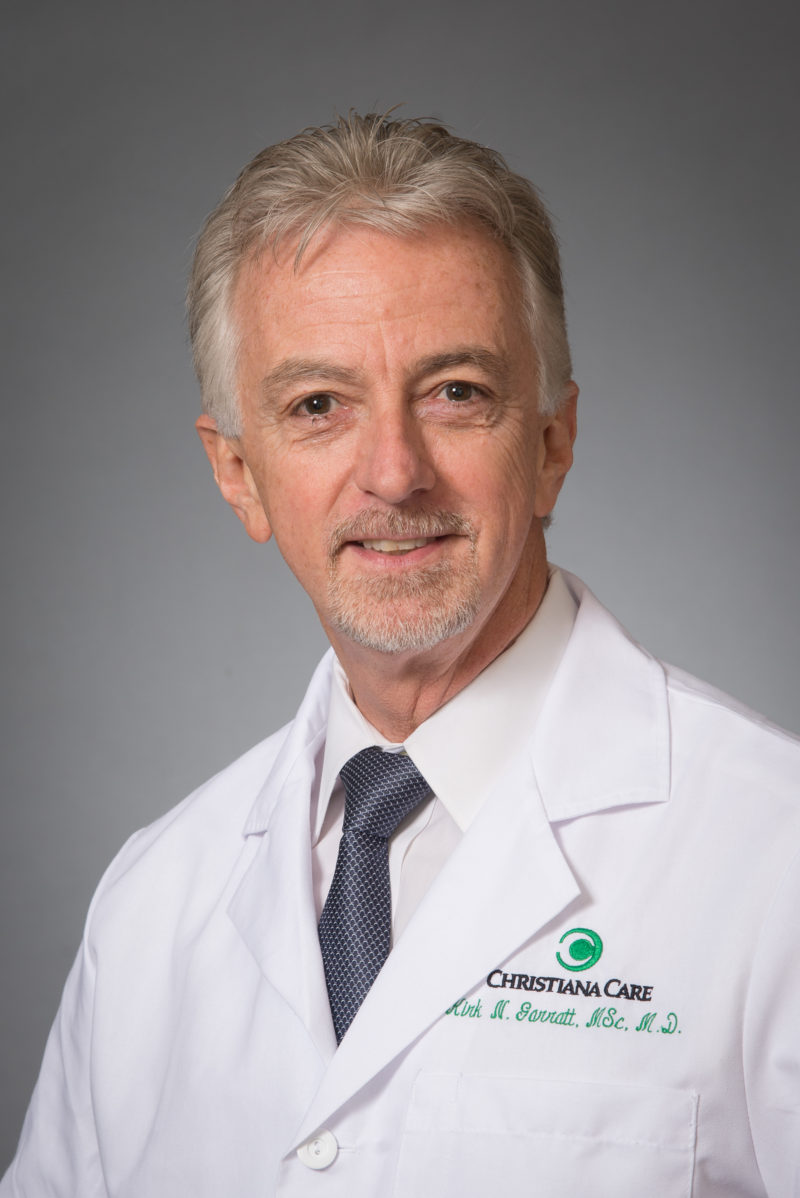
“This was an important study precisely because it challenged a widely discussed idea,” said Kirk Garratt, M.D., MSc, medical director of the Center for Heart & Vascular Health. “High‑quality trials don’t just tell us what works. They also tell us when to stay the course. In this case, fast, decisive treatment to open the artery remains the cornerstone of care.”
Breakthrough for Pulmonary Embolism Patients

The third study, HI‑PEITHO, focused on patients with intermediate‑risk pulmonary embolism, a serious condition caused by blood clots in the lungs that can strain the heart and rapidly worsen.
Researchers compared standard treatment with blood thinners alone to a catheter‑based approach that delivers a low dose of clot‑dissolving medication directly into the clot, using ultrasound to improve effectiveness. The trial found that patients who received the catheter‑based treatment were significantly less likely to deteriorate or experience early life‑threatening complications than those treated with anticoagulation alone. Importantly, the study did not show an increase in major bleeding or brain hemorrhage, a key concern with clot‑busting therapies.
“This study fills a major gap in evidence for pulmonary embolism care,” said Daniel Leung, M.D., vascular interventional radiologist at the Center for Heart & Vascular Care. “These are patients who aren’t in shock but also aren’t stable enough to ignore. HI‑PEITHO shows that, for carefully selected patients, targeted intervention can prevent dangerous deterioration without adding unacceptable risk.”
Advancing Care Through Research
Together, the three studies underscore the importance of rigorous clinical research in guiding care — even when results differ from expectations.
“Progress in medicine comes from asking hard questions and being willing to accept honest answers,” Garratt said. “We’re proud that our teams played a role in research that will help clinicians everywhere make better‑informed decisions for their patients.”
ChristianaCare’s Center for Heart & Vascular Health is nationally recognized for its leadership in cardiovascular care, innovation and research. Participation in all three ACC studies reflects the center’s commitment to advancing evidence‑based care and bringing leading‑edge therapies to patients across the region.