Why Breast Cancer Is Harder to Treat Than We Thought
ChristianaCare researcher helps lead national conversation on the complexity of cancer
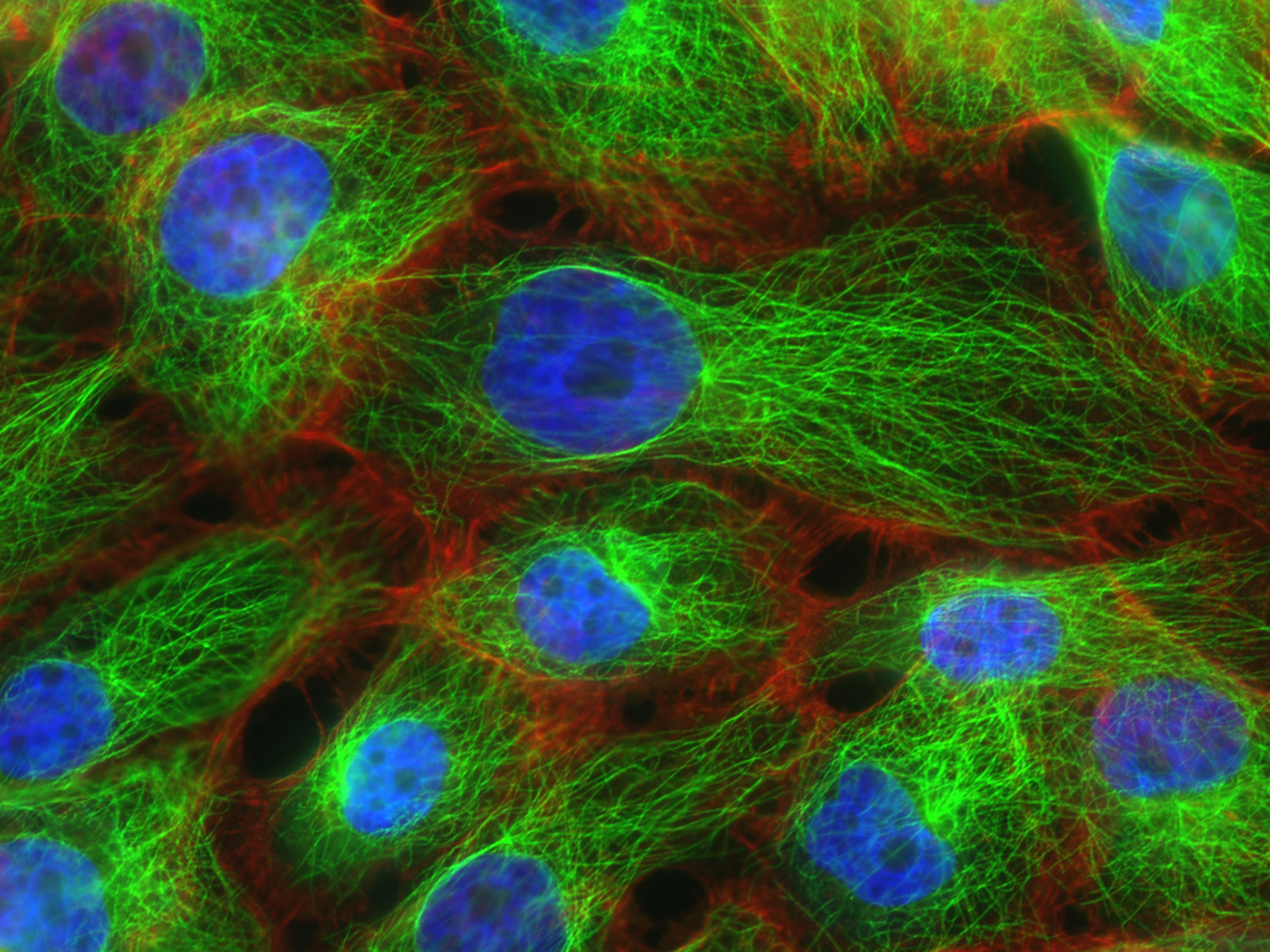
A new scientific publication is calling for a shift in how researchers and clinicians think about breast cancer, not as one disease, but as a moving target that can change and adapt over time.
Jennifer Sims-Mourtada, Ph.D., of ChristianaCare’s Cawley Center for Translational Cancer Research, served as guest editor of a special issue of the International Journal of Molecular Sciences, published June 10, 2026. The issue brings together 10 research and review papers that explore why breast cancer remains so difficult to treat effectively.
She will also serve as guest editor for a second upcoming edition focused on breast cancer, continuing to help shape the direction of research in this field.
The message is clear: breast cancer is far more complex than current labels suggest, and that complexity is a major reason treatments stop working.
One Name, Many Diseases
For years, doctors have grouped breast cancer into categories like hormone-positive or triple-negative. These labels guide treatment, but they don’t tell the whole story.
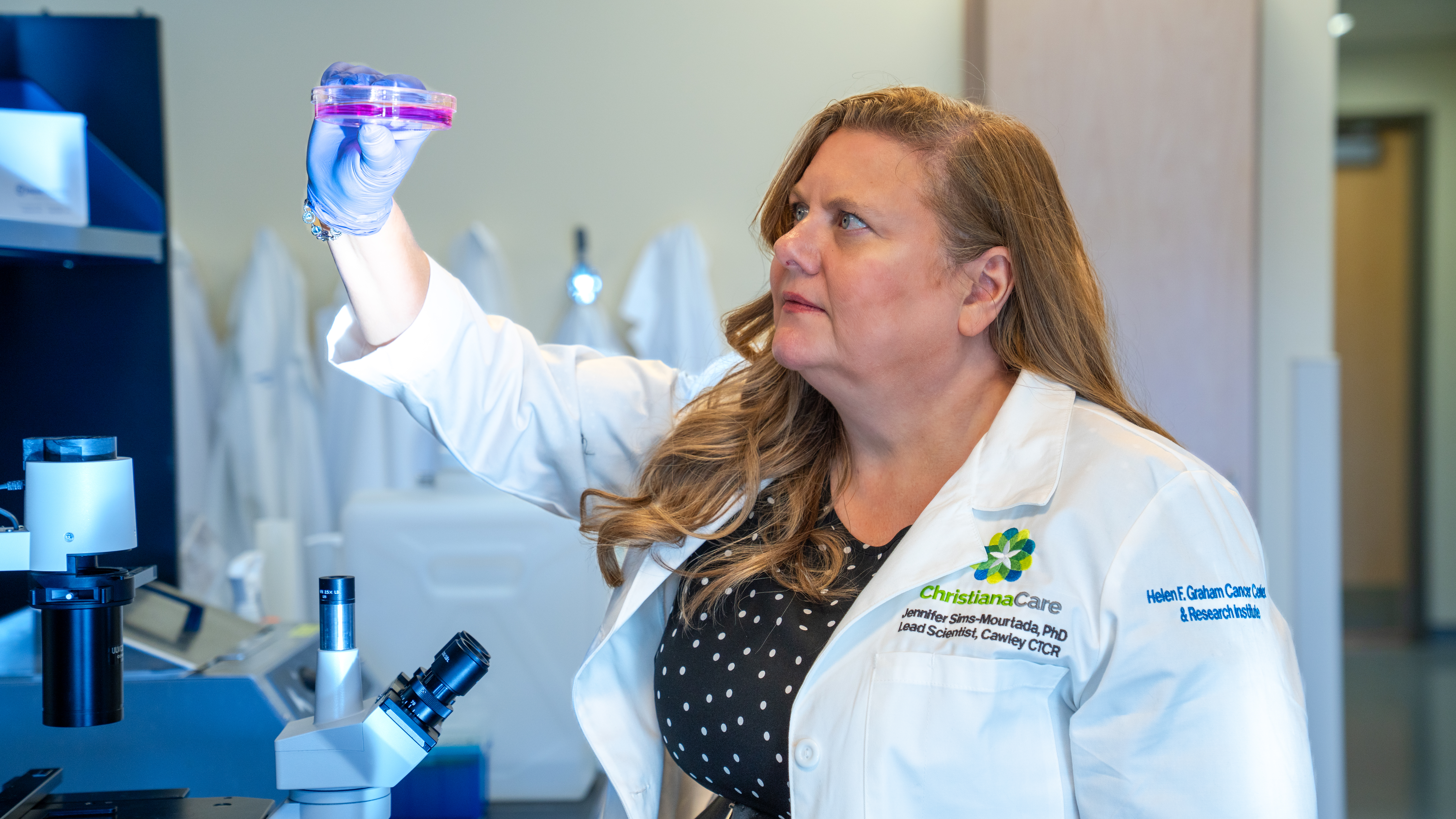
“Those labels are helpful, but they only scratch the surface,” said Sims-Mourtada. “What we are seeing now is that breast cancer is not one disease. It’s many diseases, sometimes within the same tumor.”
Two patients with what appears to be the same type of cancer can have very different outcomes.
That’s because tumors vary widely at the molecular level. Even within a single tumor, different cells can behave in different ways, growing, spreading and responding to treatment differently.
This diversity is one of the biggest challenges in cancer care today.
Cancer That Adapts and Resists
The research highlighted in this issue shows how breast cancer evolves to survive.
Some changes happen at the genetic level. Others involve the tumor’s environment, including immune cells and surrounding tissue. Together, these factors shape how cancer grows and responds to treatment.
“Understanding both the genetics of the tumor and the environment around it is critical,” said Sims-Mourtada. “You can’t look at one without the other.”
Small molecules called microRNAs can act like control switches, helping tumors quickly adjust when treatments are introduced. Cancer cells can also change how they use energy to survive under stress.
“Cancer doesn’t sit still,” Sims-Mourtada said. “It adapts. That’s why a treatment can work for a while and then stop working. The cancer finds another path.”
It’s Not Just the Tumor
Another key insight is that cancer does not act alone.
A tumor is shaped by its environment, called the tumor microenvironment. This includes immune cells, structural support cells and other factors that influence how cancer behaves.
“We used to focus mostly on the cancer cells themselves,” Sims-Mourtada said. “Now we know the surrounding environment plays a major role in stemness, tumor growth and how cancers respond to treatment.”
These interactions help explain why some cancers are more aggressive and why others respond better to therapy.
A Better Way to Study Cancer
To make progress, researchers need models that better reflect real tumors.
Traditional lab systems often oversimplify cancer biology. Newer approaches are working to change that.
Patient-derived organoids, for example, are three-dimensional models grown from a patient’s own tumor cells. They retain many of the same genetic and structural features as the original cancer, offering a more realistic way to study how tumors behave.
“These models are helping us replicate the complexity of real tumors in the lab,” said Sims-Mourtada. “They give us a much better way to study how genetics and the tumor microenvironment interact and to test potential therapies.”
At ChristianaCare, the Cawley Center for Translational Cancer Research has built an organoid core to support this work. Researchers use these models to better understand cancer behavior and to explore more personalized treatment strategies.
Rethinking the Future of Treatment
The research points to a clear conclusion: breast cancer does not resist treatment because doctors lack targets. It resists because those targets are constantly changing.
Future progress will depend on taking a broader approach, one that considers genetics, metabolism, the immune system and the tumor’s environment together.
By integrating those pieces, researchers hope to develop more precise therapies, especially for aggressive cancers like triple-negative breast cancer.
“If we want better outcomes, we have to match the complexity of the disease with the way we treat it,” Sims-Mourtada said. “That means bringing together everything we are learning about genetics and the tumor microenvironment to guide new therapies.”
Advancing the Science — and the Conversation
By leading this special issue, Sims-Mourtada is helping shape how scientists think about breast cancer and where research needs to go next.
For the Cawley Center, this work reflects a larger commitment: turning complex science into more personalized care for patients.
“Our goal is always to translate what we learn into something that can make a difference for patients,” said Sims-Mourtada. “That’s what drives this work forward.”