ChristianaCare Launches Organoid Core to Personalize Cancer Treatment
Mini-tumors grown from patients’ own cancers could guide more effective, personalized treatments

ChristianaCare’s Cawley Center for Translational Cancer Research has unveiled a first-of-its-kind organoid core in a community cancer center program. The new laboratory facility within the Helen F. Graham Cancer Center & Research Institute grows and tests living, patient-derived tumor models, giving doctors and researchers a faster, more precise way to identify the therapies most likely to work for each patient. This innovation could change how cancer is treated in Delaware and serve as a model for community centers nationwide.
There are only a handful of organoid core centers, or “tumor-on-a-chip” programs, in the United States, and ChristianaCare’s is the first within a community cancer center setting.
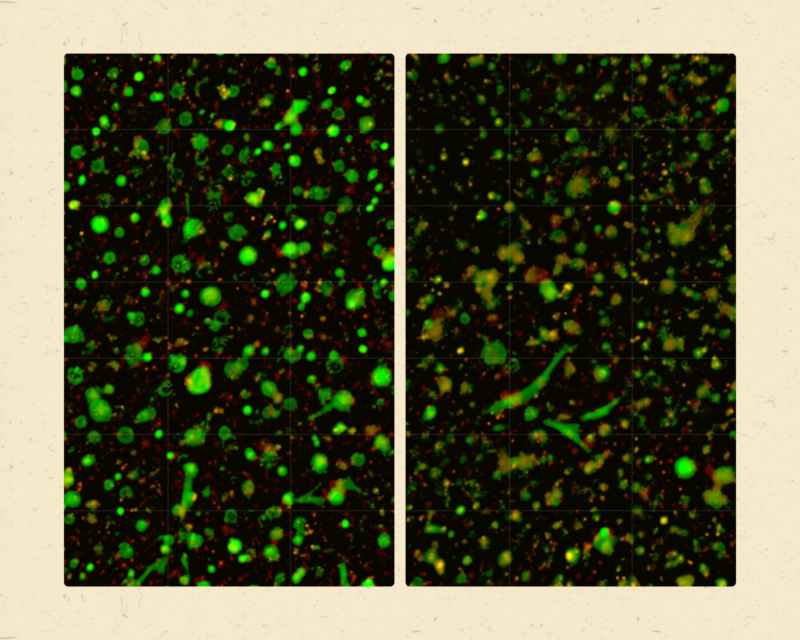
What the Organoid Core Does
Tumor organoids are tiny, three-dimensional cultures grown from a patient’s tumor tissue. They preserve the genetic and molecular traits of the original tumor, making them far more accurate than traditional cell lines.
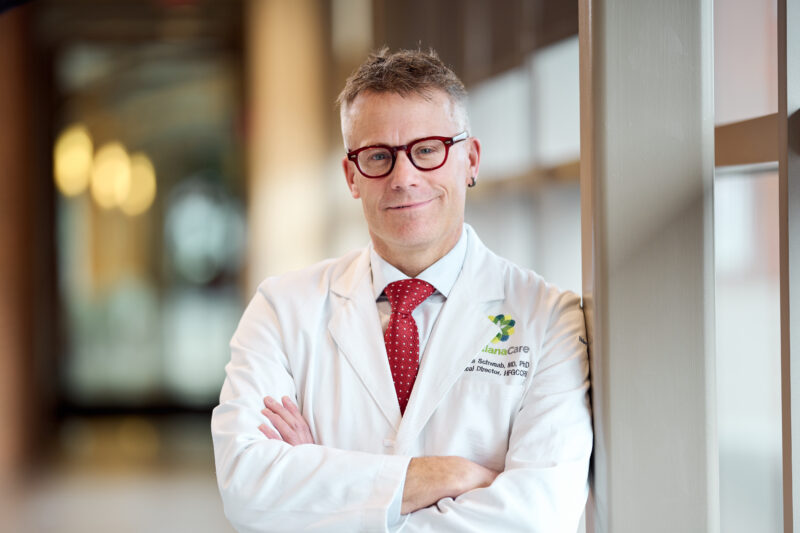
“These mini-tumors enable researchers to screen drugs faster, identify new biomarkers and discover which treatments are most likely to work for each patient,” said Thomas Schwaab, M.D., Ph.D., Bank of America Endowed Medical Director of the Helen F. Graham Cancer Center and Research Institute. “This core is a bridge between the lab and the clinic. By growing living tumor models from cells of individual patients, we can test real-world drug responses and tailor treatments for them in ways that were not possible before.”
Advancing Patient Care
The organoid core strengthens the Cawley Center’s research capabilities by enabling drug screening and biomarker discovery. It will bank organoids representing the wide variety of tumors seen in the community, giving scientists a realistic system for testing therapies.
With organoid screening, experts can test therapies more accurately, reduce costs and failure rates and move promising treatments into clinical trials faster.
ChristianaCare treats more than 70% of cancer patients in Delaware, giving researchers unique access to treatment-naïve samples. These are tumor tissues that have not yet been exposed to chemotherapy or other therapies. Studying them provides a more accurate picture of how cancer behaves naturally and how it might respond to new treatments.
Bringing a new cancer drug to patients is expensive and risky. Estimates show it can cost $1.3 billion to $2.8 billion, with up to one-third spent on preclinical development, and only about one in 10 compounds ever reach human trials. Traditional mouse models often fail to fully mimic human tumors, making early testing less reliable. By using organoid screening, the Cawley Center can test therapies more accurately, reduce costs and failure rates and move promising treatments into clinical trials faster.
Combined with existing tissue collection programs, clinical trial infrastructure and community partnerships, these resources create a direct pathway to bring lab discoveries to patients faster.
Turning Point in Translational Research
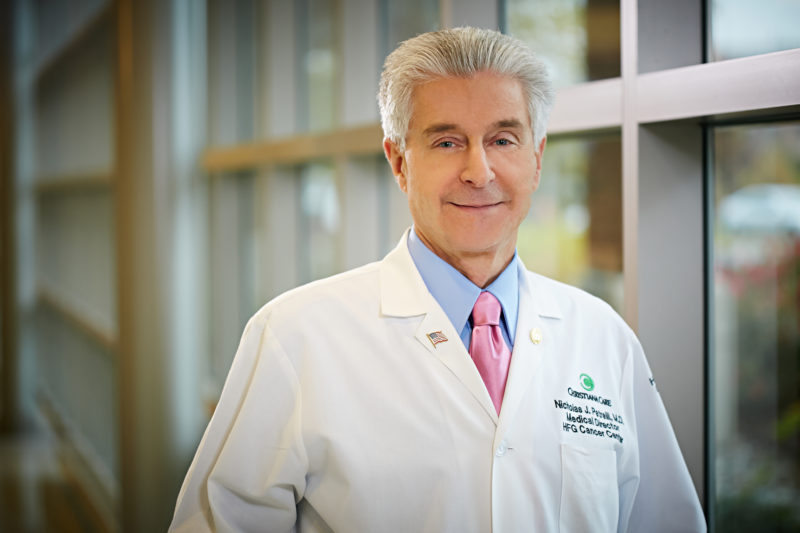
“Our goal is to shorten the distance between discovery and treatment,” said Nicholas Petrelli, M.D., director of the Cawley Center. “Too many promising drugs fail because early models do not capture the complexity of real tumors. The organoid core helps solve that problem. We can now test therapies in models that reflect the patients we actually serve.”
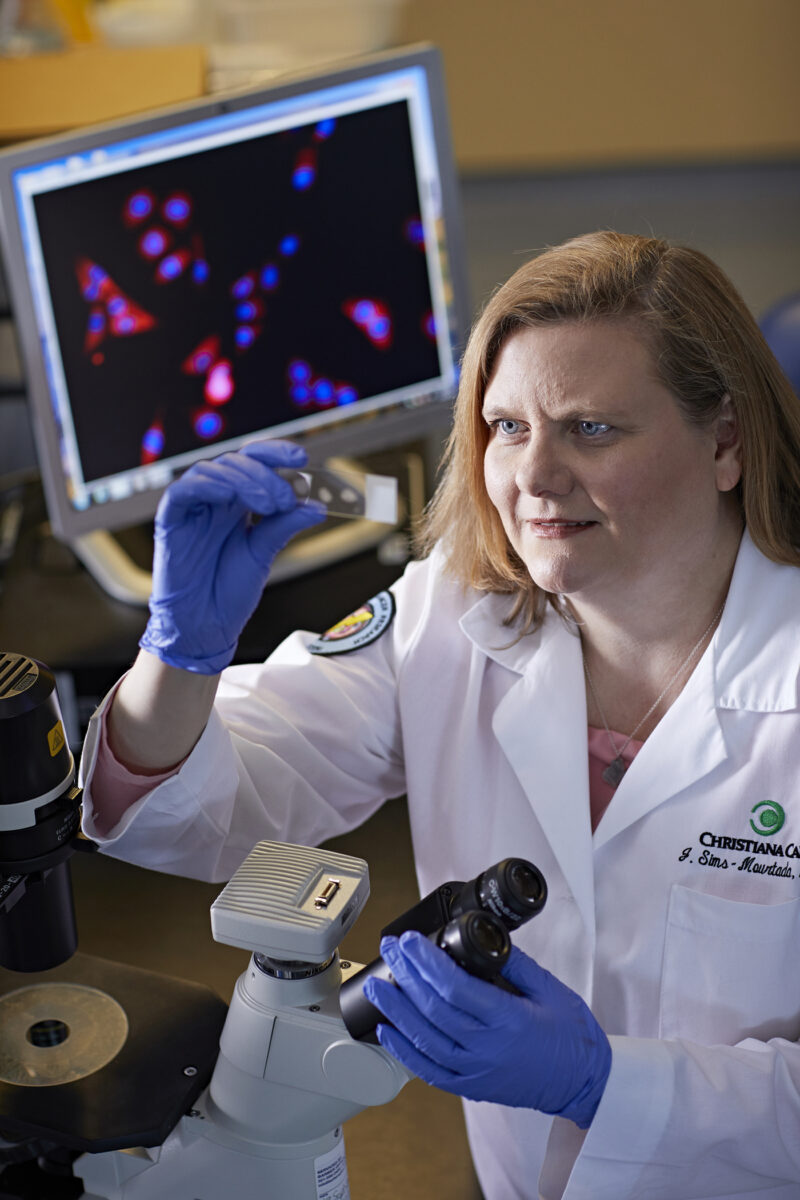
“This is a turning point for translational research in community health,” said Jennifer Sims Mourtada, Ph.D., associate director at the Cawley Center. “Organoid technology lets us study cancer in a way that feels personal. We are not just looking at data points. We are studying living models of a patient’s tumor, which can reveal how that person’s cancer might behave or respond to treatment. This approach brings science closer to the people it is meant to help.”
Looking Ahead
In the coming months, the organoid core will focus on building a diverse biobank of tumors common in Delaware. Plans include collaborations with academic institutions, shared access for external researchers, and development of immune-tumor co-culture models.
By combining advanced technology, strong community partnerships and direct patient access, ChristianaCare and the Cawley Center are showing how translational cancer research can thrive in a community setting, making breakthroughs not only in the lab but also in patients’ lives.
To contribute to translational research advances at the Helen F. Graham Cancer Center & Research Institute, click here.