Researchers Identify Developmental Gene Signature That Drives Colon Cancer and Predicts Survival
Findings reveal how stem cell reprogramming fuels aggressive disease and points to new treatment strategies
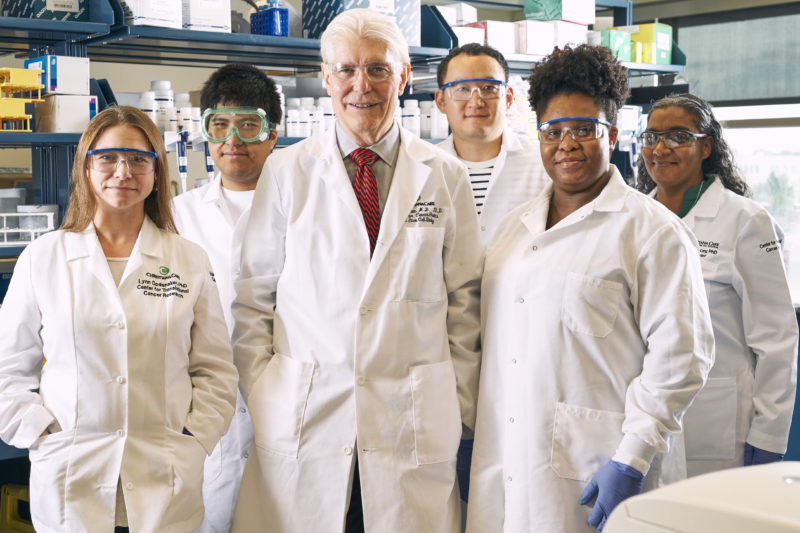
Researchers from the Cawley Center for Translational Cancer Research at ChristianaCare’s Helen F. Graham Cancer Center & Research Institute have identified a developmental genetic pattern that helps explain how colorectal cancer develops, why it becomes aggressive and how long patients are likely to survive.
The study, published in Stem Cells Translational Medicine today, shows that when normal cell signaling pathways fall out of balance, colon stem cells stop maturing and begin to overgrow. This disruption alters key developmental genes, known as HOX genes, driving cancer growth and resistance.
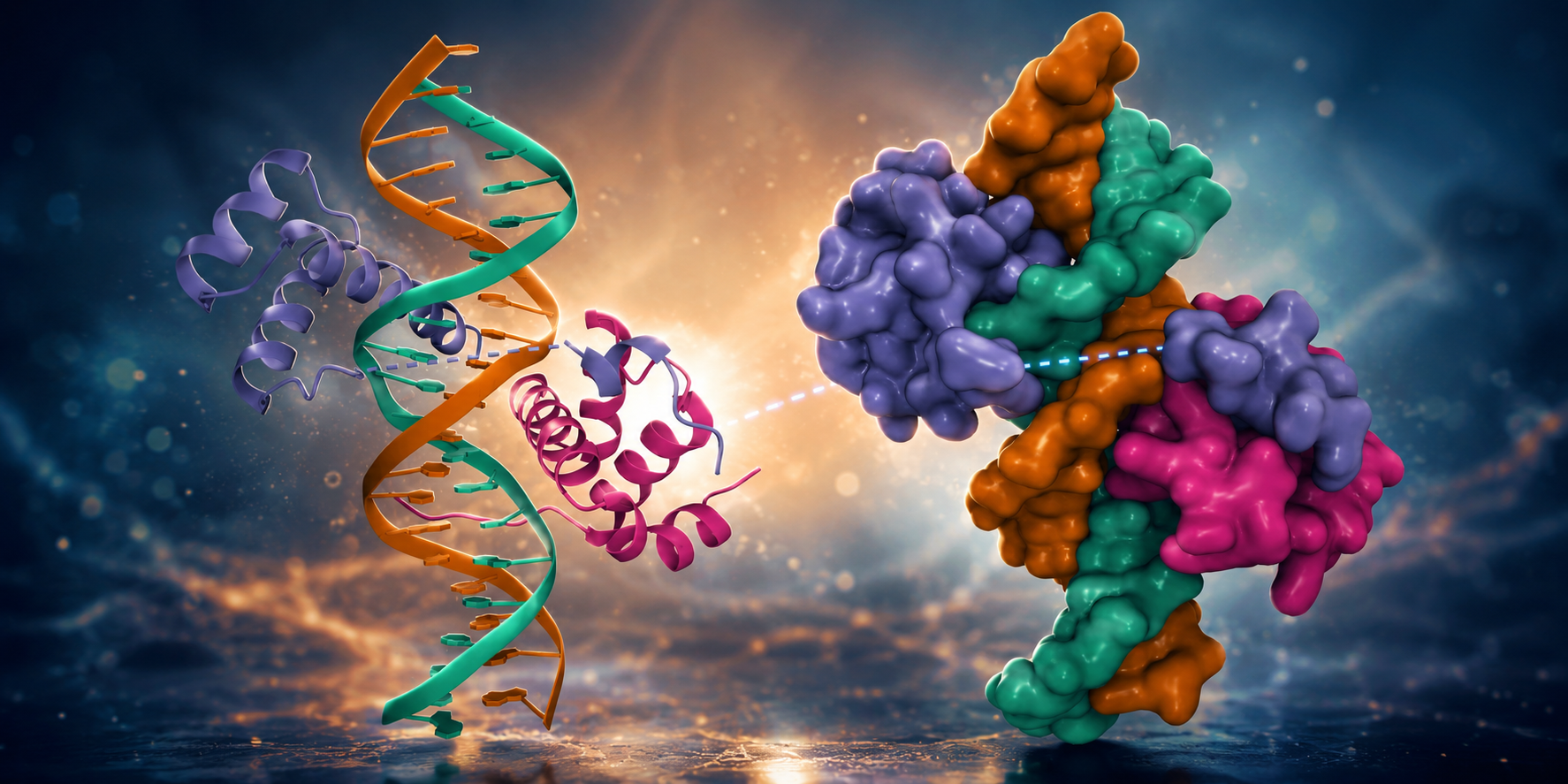
The HOX gene network contains 39 transcription factors critical for animal embryonic development. This network functions like a symphony orchestra, where precise instrumental timing creates harmony. Similarly, the exact timing of HOX gene expression dictates proper embryo development. A research team led by Bruce Boman, M.D., Ph.D., MSPH, FACP, senior author of the study and senior researcher at the Cawley Center, discovered that dysregulation of this precise timing is linked to colon cancer formation.
The team identified an eight gene HOX signature that strongly predicts poor survival in colorectal cancer patients, making it a powerful marker of disease behavior and a potential target for future therapies.
Building on Earlier Research About Cancer Reprogramming
These findings build on earlier research by the same team, published in January in the International Journal of Translational Medicine, that examined oncofetal reprogramming — a process in which cancer cells reactivate genes normally used only before birth.
That earlier work showed that oncofetal programs give cancer cells stem like traits that help them adapt, survive treatment and return after therapy. These programs appear across many cancers, including colorectal, breast, lung and liver cancers and are linked to treatment resistance and relapse.
“Cancer cells don’t just grow. They adapt by activating early developmental programs,” Boman said. “This flexibility helps them survive therapy.”
Click here to donate to cancer research and innovation at ChristianaCare.
How HOX Genes Drive Aggressive Colon Cancer
The new study connects that reprogramming directly to HOX genes in colorectal cancer.
HOX genes normally guide early cell development and are tightly controlled in healthy tissue. The researchers found that when WNT signaling becomes overactive and retinoic acid signaling is disrupted, HOX genes become misregulated in colon stem cells.
Instead of maturing, these stem cells multiply. That overpopulation fuels tumor growth and leads to more aggressive disease.
“This explains why tumors that look similar can behave very differently in patients,” said Brian Osmond, Ph.D., lead author of the study. “The difference lies in which developmental program the cancer is using.”
“Cancer is not static: It shifts between cell states to survive.”—Brian Osmond, Ph.D.
By studying patient data, tumor samples, and stem cell populations, the researchers identified eight HOX genes tied to worse outcomes:
- Six genes were overactive in tumors and linked to shorter survival.
- Two protective genes were underactive, removing natural growth controls.
Patients with this HOX signature were more likely to have aggressive disease and poorer five year survival rates.
Why Tumors Resist Treatment
The study also sheds light on tumor diversity. The team found that different cancer stem cell types rely on different HOX genes:
- One type favors HOXB genes, common in normal colon tissue.
- Another depends on HOXC genes, which surge in cancer.
This diversity helps tumors adapt and resist treatment.
“Cancer is not static,” Osmond said. “It shifts between cell states to survive.”
Implications for Future Treatment
Together, the January and April studies point to the same conclusion: lasting cancer control will require therapies that target cancer plasticity, not just tumor size.
Because HOX genes are closely tied to WNT and retinoic acid signaling, the researchers suggest that carefully designed combination therapies could help restore balance in cancer stem cells and limit resistance.
“These cancers are using normal developmental tools in the wrong context,” Boman said. “If we can interrupt that process, we may be able to improve long term outcomes for patients.”