How to Protect Yourself and Your Loved Ones From Extreme Heat
What to know about heat-related illness — the warning signs, who's most at risk, and how to stay safe before it becomes an emergency
As an emergency medicine physician at ChristianaCare, I see what extreme heat does to people every summer. And what I’ve learned is that by the time someone arrives in my emergency department with heat-related illness, we’ve already missed the best opportunity to help them.
Extreme heat is the leading cause of weather-related death in the United States. That’s not a distant statistic. It’s the older adult in a home without adequate cooling. It’s the outdoor worker who didn’t take a break. It’s the person on a common medication who didn’t realize it made them more vulnerable.
Heat stroke is a medical emergency. Watch for confusion, slurred speech, seizures or hot, dry skin. Call 911 and begin cooling the person immediately.
Most heat-related emergencies are preventable — but only if we act before the temperature makes the decision for us. Here’s what I want everyone to know.
What to Know About Heat and Your Health
Heat places real stress on the body. It increases strain on the heart and lungs, worsening chronic conditions like diabetes and kidney disease, and triggering emergencies that look nothing like what people might picture when they think of “heat illness.” And it’s not only extreme temperatures that matter. Humidity, direct sun and especially high nighttime temperatures can prevent the body from recovering, compounding risk over several days.
Know the warning signs. Heat-related illness exists on a spectrum. Heat exhaustion can look like heavy sweating, weakness, nausea, dizziness or a fast pulse. Heat stroke is a medical emergency: confusion, difficulty speaking, seizures or hot, dry skin. If you suspect heat stroke, call 911 immediately and begin cooling the person right away. Don’t wait to see if it passes. Delays can be deadly.
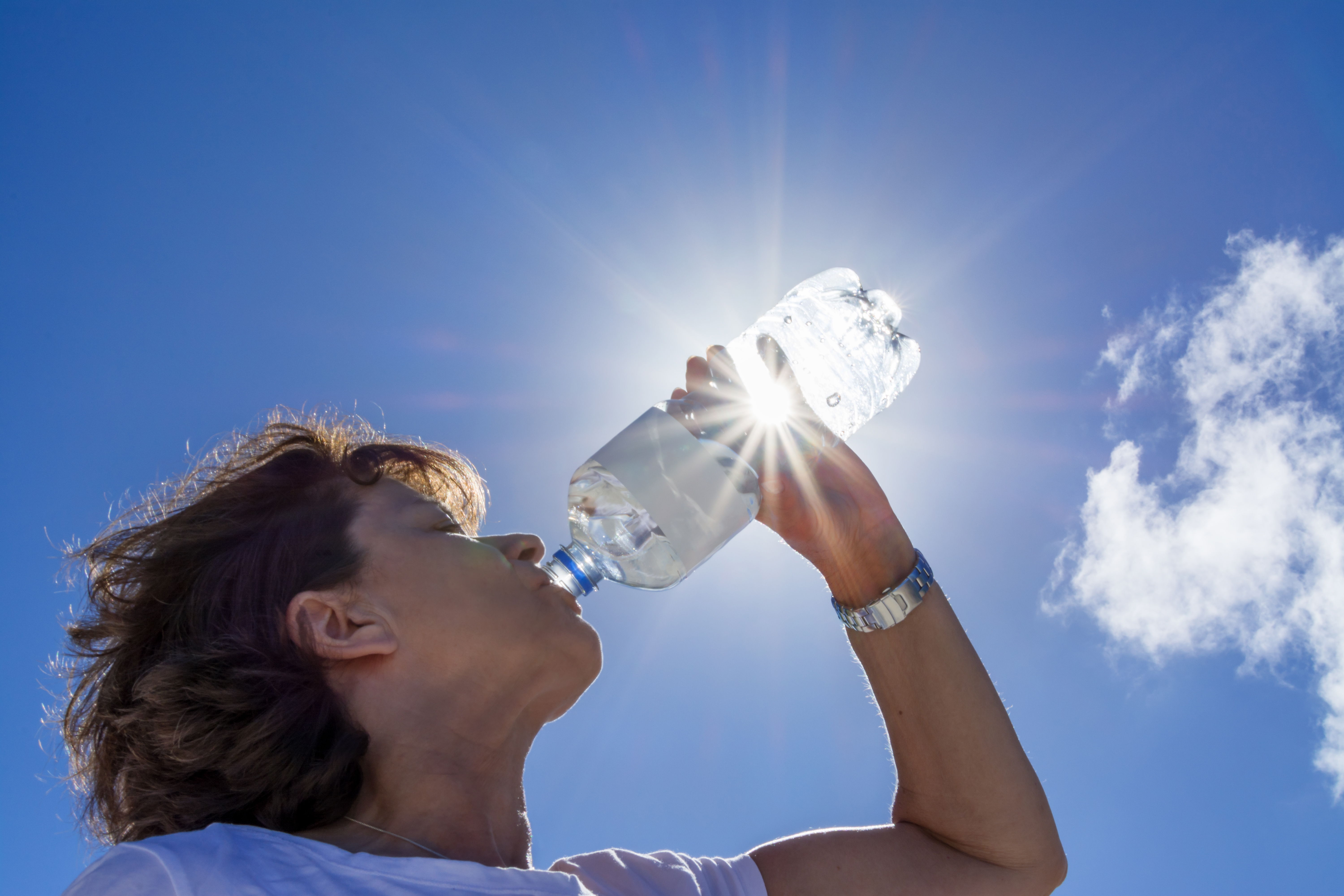
Stay ahead of dehydration. By the time you feel thirsty, you may already be dehydrated. Drink water regularly, not just when you’re outside. Dark urine, headaches and muscle cramps are warning signs. And remember that heavy sweating depletes electrolytes, not just water — while alcohol and highly caffeinated drinks make things worse.
Check on the people around you. Older adults, infants, pregnant patients, people with chronic conditions and anyone without reliable access to air conditioning are at highest risk. Social factors matter too: living alone, limited mobility and financial barriers to cooling all increase vulnerability. Many people won’t recognize their own risk or ask for help. A phone call or a visit during a heat wave can be the difference between staying safe and ending up in the emergency room.
Make a plan before the heat arrives. Know where you can cool down, especially if you don’t have air conditioning at home. Consider a friend’s home, library or cooling center. Know how you’ll get there. Identify someone who will check on you, or whom you’ll check on. Fans help, but above about 95 degrees they aren’t enough on their own. Air conditioning or a cooling center is what you need. Your state’s 211 hotline and emergency management agency, along with your local area agency on aging, are good starting points for finding resources.
Talk to your doctor. Some common medications — diuretics, beta blockers, anticholinergics and others — can interfere with the body’s ability to cool itself or contribute to dehydration. A quick medication review heading into summer can catch risk early.
The best emergency is the one that never happens. The more we normalize planning, checking in and acting early, the fewer patients I’ll see when it’s already too late.
Finding Help in Your State
Delaware: Dial 211 or visit delaware211.org. Connect to aging services through the Division of Services for Aging and Adults with Physical Disabilities. For preparedness and alerts, contact the Delaware Emergency Management Agency.
Maryland: Dial 211 or visit 211md.org. Find your local Area Agency on Aging through the Maryland Department of Aging. For preparedness and alerts, contact the Maryland Department of Emergency Management.
New Jersey: Dial 211 or visit nj211.org. Find your county Area Agency on Aging through the New Jersey Division of Aging Services. For preparedness and alerts, contact the New Jersey Office of Emergency Management or visit ready.nj.gov.
Pennsylvania: Dial 211 or visit pa211.org. Find your local Area Agency on Aging through the Pennsylvania Department of Aging. For preparedness and alerts, contact the Pennsylvania Emergency Management Agency.