Stroke Symptoms You Can’t Afford to Miss
Know the warning signs and why FAST care matters.
A stroke occurs when the blood supply to part of the brain is suddenly interrupted or drastically reduced, preventing brain tissue from getting the oxygen and nutrients it needs. Within minutes, brain cells begin to die, which is why rapid recognition and treatment are critical. Strokes can be caused by a blockage in a blood vessel (ischemic stroke) or bleeding in the brain (hemorrhagic stroke), and both can lead to long‑term disability or even be life‑threatening.
Understanding what a stroke is—and knowing the warning signs—can make all the difference in protecting yourself and the people you love.
Stroke is the fifth leading cause of death in the United States; and the second leading cause of death worldwide. It is the third leading cause of death of women in the United States and is a leading cause of disability. This can potentially lead to permanent difficulty with speaking, thinking, weakness, walking and your activities of daily living.
Every Second Counts
A stroke in the United States occurs every 40 seconds. A stroke occurs when there is an interruption of blood flow to the brain. The lack of blood flow to the brain leads to less oxygen in brain cells, which then causes brain cells to die. The most important part of treating a stroke is the recognition of symptoms and calling 9-1-1.
Advanced stroke treatments can potentially reverse damage to the brain. Tenecteplase is a powerful clot busting drug used to dissolve blood clots in the brain; however, there is a strict time frame to prevent complications.
Any delay in seeking care for stroke reduces eligibility for this clot busting therapy and reduces the chance of long-term recovery.
Not All Symptoms Look Alike
Strokes can have a variety of symptoms because different parts of the brain function to perform tasks unique to that area of the brain. Stroke symptoms usually start suddenly, as the brain stops functioning due to a blood clot suddenly blocking blood flow, or due to sudden rupture of blood vessels leading to bleeding in the brain.
The most common symptoms of stroke affect one side of the body:
- Drooping face on one side.
- Weakness of, or difficulty using, the arm on one side.
- Weakness of, or difficulty using, the leg on one side.
- Numbness or tingling on one side of the body (affecting face, arm, and leg).
- Loss of coordination on one side of the body is important.
- Loss of vision on one side.
- Difficulty looking to one side.
Another very common sign of a stroke is a problem with speech and language. A stroke can affect speech in several ways:
- Slurred or thick speech.
- Difficulty getting the right word out.
- Saying the wrong words.
- Confused or nonsensical speech.
- Difficulty understanding speech.
- Trouble with reading or writing.
There are other symptoms that become concerning for stroke when they occur suddenly. These symptoms include sudden double vision, severe vertigo or dizziness, trouble swallowing and sudden difficulty walking.
Brain bleeding is a less common cause of stroke symptoms. It is often accompanied by the sudden onset of the worst headache of a person’s life. Sometimes this severe headache is accompanied by neck stiffness, vomiting and sleepiness.
Remember to act FAST
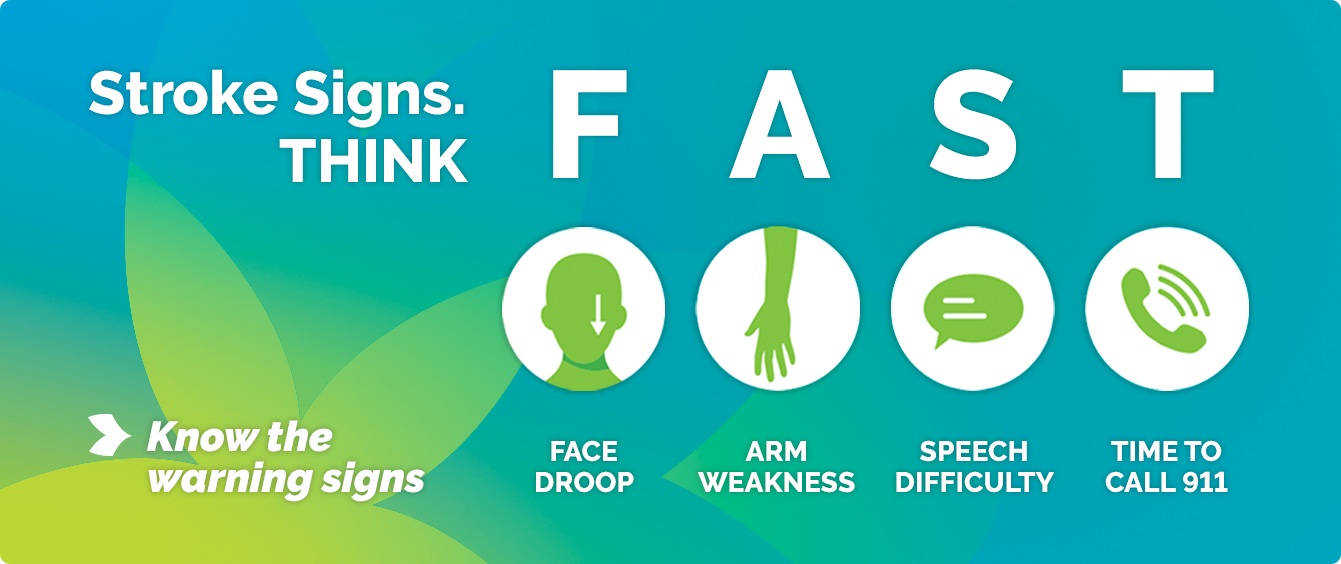
The acronym FAST is an easy way to remember the most common signs of a stroke. “F” stands for the face, meaning a drooping or asymmetrical face. “A” stands for arm, meaning an arm that drifts downward or stays limply at someone’s side. “S” stands for speech, meaning slurred speech, difficulty speaking, or difficulty understanding speech. “T” stands for time, meaning time to call 9-1-1.
Up to 80 percent of secondary clot-related strokes may be preventable. In addition to starting antiplatelet or anticoagulant therapy, it is important to identify potential causes of stroke and implement proper preventative measures. Typically, this may include measures such as managing high blood pressure, diabetes and cholesterol. Other preventative measures include making healthy lifestyle choices such as a healthy diet, compliance with medication and smoking cessation.
What’s Next?
Offering 24/7 expertise in stroke care from neurologists, neurocritical care physicians, neurosurgeons and NeuroInterventional surgeons. The ChristianaCare Comprehensive Stroke Program encourages you to talk with friends and family about the signs of stroke. Call 302-733-1000 for more information.
When everyone knows what to look for, we can all get the fast, life-saving treatment needed to prevent long‑term brain injury.