Stay Healthy through Cold and Flu Season
Plus tips on what to do when you’re sick.
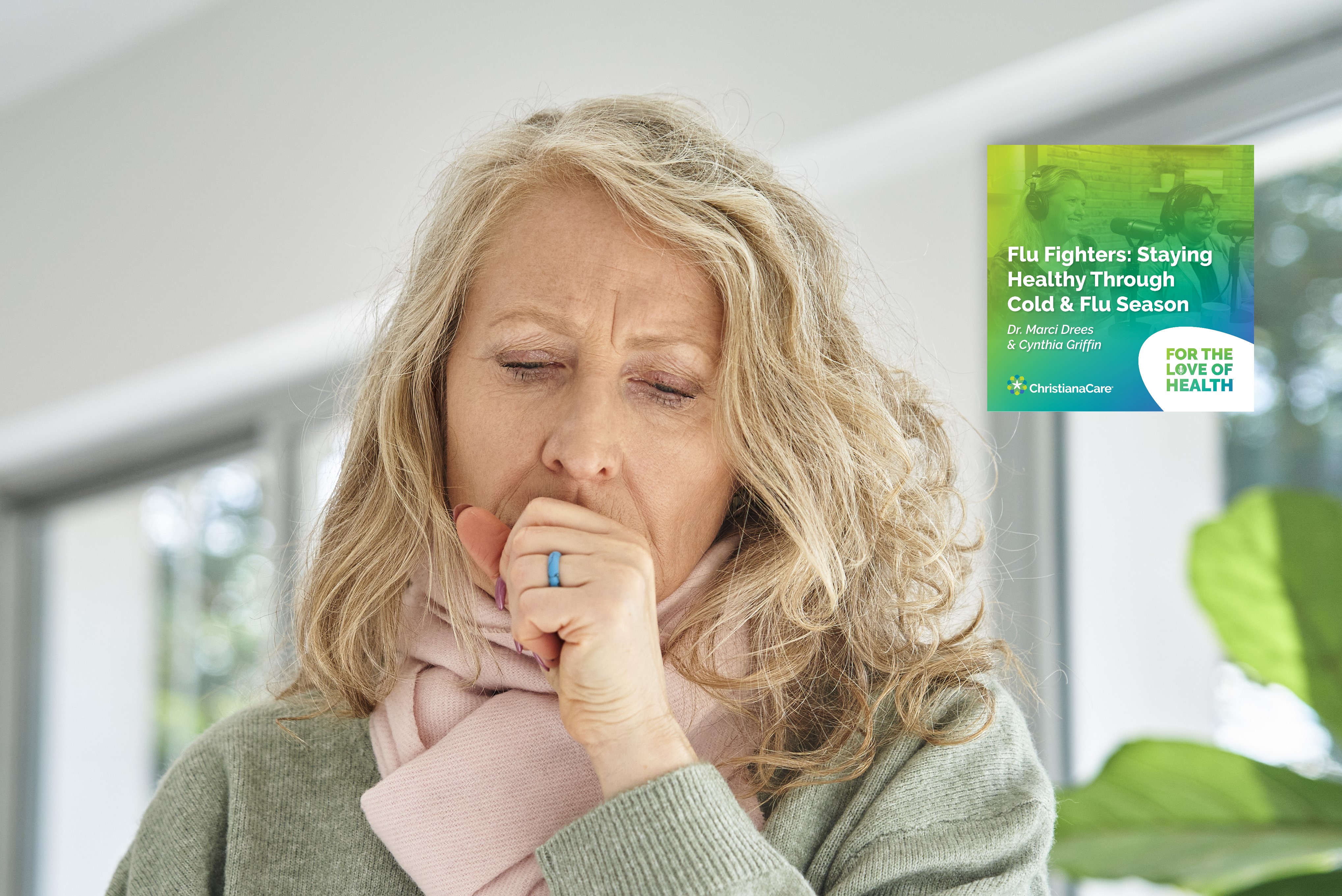
You may already know that cold and flu season is here, and hopefully not because you or a loved one is already coughing or sneezing. With this season comes a lot of questions and uncertainties: which vaccines do I qualify for? How often should I be washing my hands? What if my child starts sniffling, or spikes a fever?
What to Expect This Flu Season
Every year is different when it comes to cold and flu season. That’s why being prepared now is so important. Vaccines, proper hygiene, and knowing when to stay home can make a big difference—not just for you, but for everyone around you.
There is often a lot of uncertainty about which vaccines are right for each person, depending on their age, health risk factors, and other concerns. Here’s what our experts say:
-
- The flu shot is recommended for everyone 6 months and older. If your child is under 8 and has never had a flu shot, they’ll need two doses this year. Otherwise, just one is enough.
- For people 65 and older, there are special flu vaccines that offer more protection. If those aren’t available, any flu shot is still better than none.
- As for COVID-19, recommendations have changed over time, but the science behind the vaccines remains strong. If you’re 65 or older or have health conditions like asthma, diabetes, or heart problems, an updated COVID shot is strongly recommended.
- If you’re pregnant, a COVID vaccine is also important. It helps protect both you and your baby, especially in the third trimester when your body is more at risk.
- There’s also an RSV vaccine. It’s now recommended for everyone 75 and older and for people 50 and older with certain health conditions.
What to hear more? Dig deep with our experts in our For the Love of Health podcast for important tips on how to stay safe and protect others during this season of illness.
Staying Healthy at Home and Work
Vaccines are just one part of staying healthy. Here are some other ways to keep your household as germ-free as possible:
- Washing your hands is still one of the easiest ways to stop the spread of germs. Remember to wash them thoroughly—and if you’re not sure how long “thoroughly” is, sing the “Happy Birthday” song twice to make sure you’re washing for long enough.
- Clean high-touch surfaces like doorknobs, light switches, and cell phones more often during cold and flu season, both at home and at work or school.
- If you wake up with a sore throat or a cough and you’re not sure whether it’s a cold, COVID, or the flu, stay home if you can.
- If you must go to work, wear a mask and try to keep your distance. You can take an at-home COVID and/or flu test, but testing isn’t always necessary—especially if you’re otherwise healthy and your symptoms are mild.
What About Kids?
Unfortunately, kids get sick—a lot. And it may not be realistic to keep them home for every runny nose. But if your child has a fever, vomiting, or diarrhea, they should stay home until they’re better, as that usually is a sign of a contagious illness. When in doubt, talk to your pediatric care provider.
Introducing the Cough and Cold Line
It’s clear that there can be tricky decisions to make when it comes to navigating cold and flu season. To help answer your questions, ChristianaCare offers a Cough and Cold Line to give you advice about symptoms and care. The line is open for your questions from Monday–Friday, 8 AM to 4 PM. Call us at 302-623-7400.
If you’re not sure whether to see a provider, call the line first. You’ll get help figuring out whether you should:
- Stay home and rest.
- Call your primary care provider.
- Visit urgent care.
- Or, in more serious cases, go to the emergency room.
You can also get connected to one of our expert primary care providers, including virtual care if you’re feeling too sick to leave the house. Having a regular provider you trust means you can ask questions about vaccines, symptoms, or anything else. If you don’t have one, we can help.